Some car dealerships just can't take no for an answer. And that can get them into trouble under the TCPA.
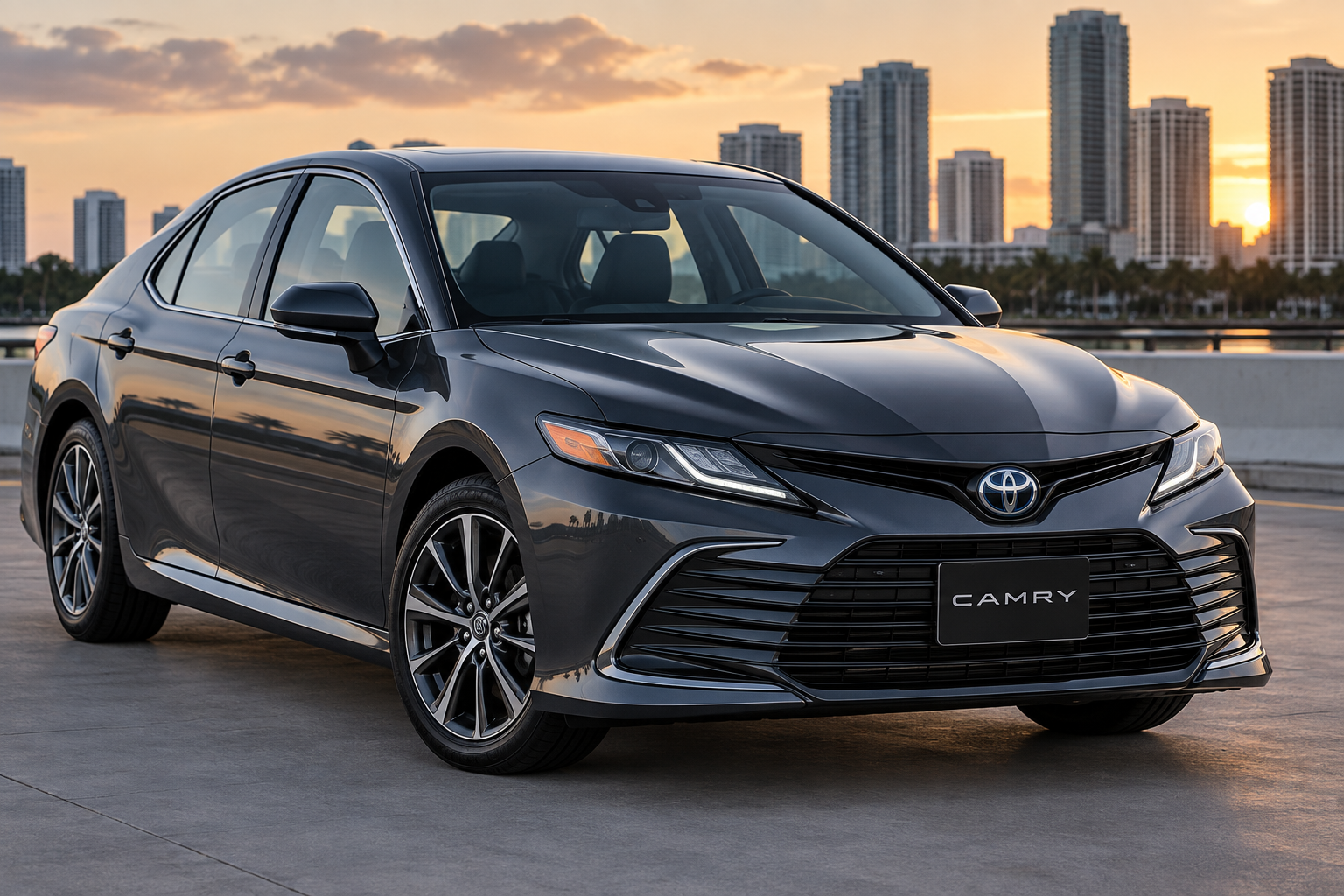
In Shafer v. Toyota of Boardman, No. 4:25-cv-00941 (N.D. Ohio Sept. 21, 2026), the plaintiff's number was registered on the National Do Not Call Registry. The dealership texted him asking whether he wanted to sell his 2018 Camry and whether he "would consider upgrading to something newer."
The plaintiff replied, "do not call or text me." Two weeks later, the same sales manager asked whether he could text. The plaintiff replied "stop." About two and a half months later, the dealership texted again, asking for "a quick phone call" about the Camry.
Having enough of this spam and having knowledge of his TCPA rights, the plaintiff sued on behalf of a class with two claims: one for sending telephone solicitations to numbers on the Do Not Call Registry, and one for failing to keep proper internal do-not-call procedures. After answering, the dealership moved for judgment on the pleadings. Its argument was that the texts weren't "telephone solicitations" because it only wanted to buy the plaintiff's car, not sell him anything. The order resolves that motion.
Before reaching the dispute, the Court set out the ground rules on texts. The TCPA never defines "call." But the Court pointed out that the FCC has ruled the statute's prohibitions "encompass[] both voice calls and text calls to wireless numbers," a ruling the Sixth Circuit relied on in Keating v. Peterson's Nelnet, LLC. The Court also cited Campbell-Ewald Co. v. Gomez, where the Supreme Court said it is "undisputed" that a text to a cell phone qualifies as a call. The dealership didn't contest the point, so the Court had no need to rule on it. Still, it went out of its way to lay that foundation, and its signals on where it stands are hard to miss: a text is a call.
With that settled, the only real fight was whether these texts were solicitations. On that question, the dealership leaned on Edelsberg v. Vroom, Inc., where a text offering to buy a car listed on Craigslist was held too far removed from any sales pitch.
The Court wasn't buying it. It turned to the FCC's 2003 guidance on "dual purpose" calls. These are messages with an informational or customer-service purpose that are also "motivated in part by the desire to ultimately sell additional goods or services." Under that guidance, a message intended to sell something now or "in the future" is an advertisement. The Ninth Circuit said as much in Chesbro v. Best Buy Stores, which described dual purpose calls as prohibited.
Asking about an upgrade, the Court said, "suggests purchasing another" car from the dealership. It compared the text to a bank pitching overdraft protection, which the FCC treats as a solicitation. As the Court put it, such messages, "[w]hile not explicit, . . . are designed to engage a potential customer in a commercial transaction." It also noted that the text came from the dealership's Sales Manager. That dual purpose is what made Vroom a poor fit.
The later texts that did not explicitly contain a solicitation did not escape either. The same sales manager sent the second text, and all three arrived in a short window. In the Court's view, that "calls into question the purpose for sending the subsequent messages." Citing the Ninth Circuit's recent Coffey v. Fast Easy Offer, LLC, which asks why the sender initiated a message, and cases like Less v. Quest Diagnostics, the Court treated purpose as a question for discovery, not properly decided on the pleadings.
So the car dealership's motion to end this case on the pleadings was denied and the plaintiff's claims survive.
It's great to see courts continue to construe the TCPA in a way that reflects its ultimate purpose: to curb unwanted and harassing telephone solicitations, whether those be calls or text messages.