The Driver’s Privacy Protection Act, 18 U.S.C. §§ 2721–2725 (the DPPA), guards the personal information states collect when you get a license or register a car. It makes it unlawful for anyone “knowingly to obtain or disclose personal information, from a motor vehicle record, for any use not permitted” by the statute. “Personal information” covers the basics: name, address, photograph, Social Security number, driver identification number, and telephone number. The statute lists fourteen permitted uses, and everything else is off-limits. Anyone whose information is misused can sue for actual damages, but not less than $2,500 in liquidated damages, plus punitive damages for willful or reckless violations and attorneys’ fees.
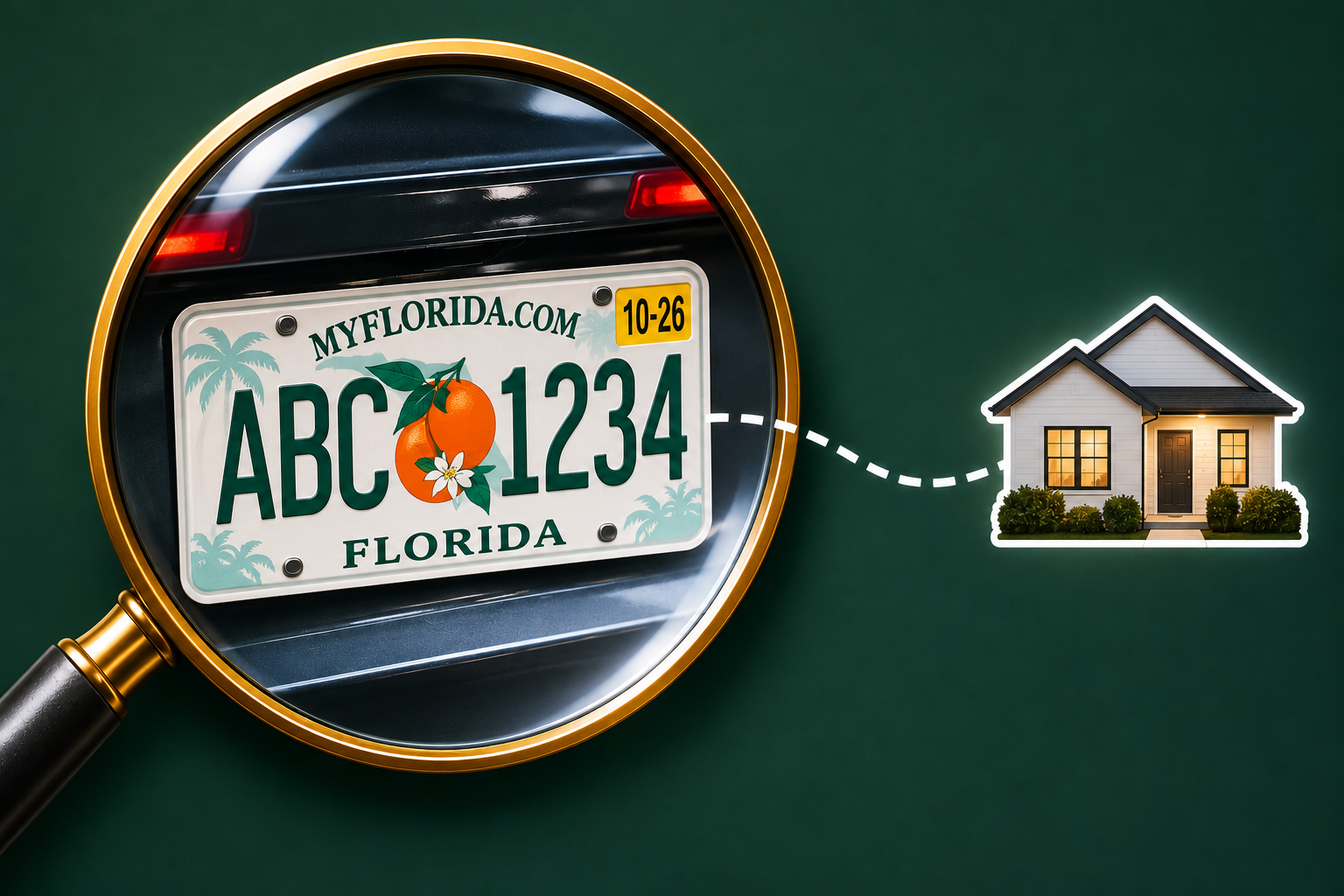
Private parking enforcement has built a tidy assembly line that runs right through that statute: photograph a license plate, pull the owner’s name and home address from state motor vehicle records, and drop an invoice or tikcket in the mail. In Levine v. Municipal Parking Services, Inc., No. 8:25-cv-2920 (M.D. Fla. Nov. 5, 2026), 2026 U.S. Dist. LEXIS 253925, the Middle District of Florida held that the assembly line may have a DPPA problem.
The facts are the familiar kind of annoying. One plaintiff drove through a private lot twice to drop off and pick up family, never parked, and still got an invoice claiming her car sat there “for nearly four hours,” complete with a threat to boot or tow. The other received an invoice at a home address he never gave anyone. The parking operators, with a technology vendor allegedly running the DMV lookups, found both through their plates. The plaintiffs sued on behalf of a class.
The defendants led with standing, and history was on their side. Several Southern District of Florida decisions, and a Northern District of Florida decision involving one of these same defendants, In re Mun. Parking Servs., Inc. DPPA Litig., found no reasonable expectation of privacy in DMV records. The Court disagreed. It first rejected measuring the harm against Florida’s narrow version of intrusion upon seclusion, explaining that the comparison is to the common law of “English or American courts,” not one state’s quirks. Then, applying Drazen v. Pinto, 74 F.4th 1336 (11th Cir. 2023) (en banc), it held that improperly accessing protected motor vehicle records is similar in kind to the classic intrusion of rifling through someone’s private files. Demanding more would be “line-drawing properly left for Congress.”
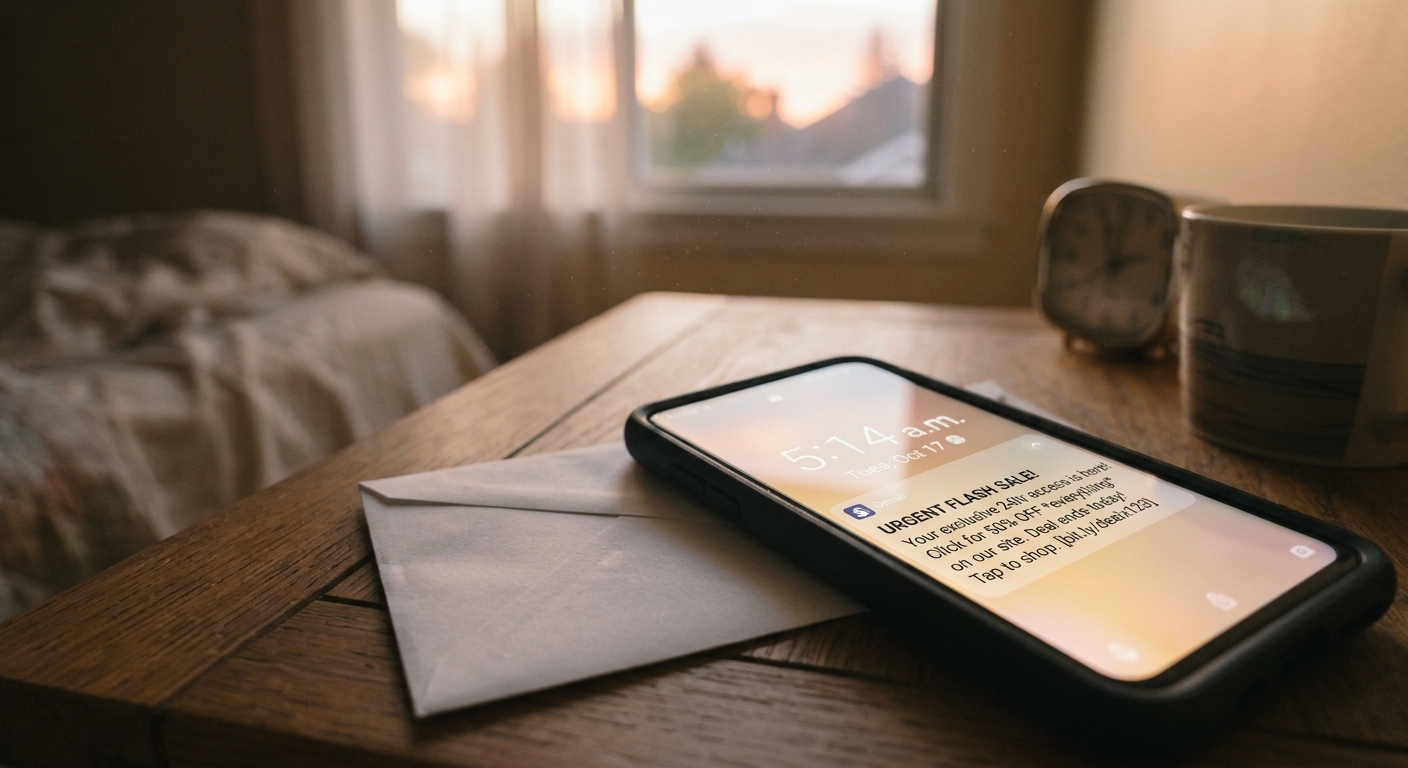
The bigger news may be the mailbox. District courts in the Circuit are split on whether an unwanted letter does what Drazen said an unwanted text does. The Court took a side: “There is no meaningful distinction between the kind of harm caused by an unwanted text message and an unwanted invoice in the mail.” The phone-buzz argument, it reasoned, speaks to degree, not kind. “Undoubtedly, the vibration in one’s pocket caused by an unwanted text message does intrude and irritate—as does discovering in one’s mailbox an unwanted invoice demanding payment and threatening to tow one’s vehicle.” Most of the cases on the other side of that split arose under the FDCPA, so this reasoning is unlikely to stay parked.
On the merits, the defendants invoked the DPPA’s exception for “investigation in anticipation of litigation.” Under Maracich v. Spears, 570 U.S. 48 (2013), the question is the predominant purpose, and the Court found “the defendants’ near complete reliance on pre-Maracich case law” to be “telling.” It did not help that the invoice threatened no lawsuit and announced that it was “NOT SUBJECT TO CIVIL . . . PENALTIES.” As the Court put it, Maracich “requires the identification of the predominant purpose, not merely any possible purpose.” The lone counterclaim the operators pointed to “if anything, supports the plaintiffs’ allegations.”
the defendant's motions were denied, and answers are due November 19. With three Florida districts now pulling in different directions, the Eleventh Circuit may eventually have the final word. For now, though, this one is worth savoring. As the Court explained, “Congress has determined that the repository of personal information that states collect from drivers is sufficiently sensitive that it should be protected.” Congress didn’t just declare that information off-limits. It gave drivers a private right of action and a $2,500 floor, putting enforcement in the hands of the people whose information was pulled.
Standing doctrine has spent years narrowing that path to the courthouse. Here, the path stayed open, just as Congress built it. Parking operators that help themselves to DMV records will have to answer for it in court.