The defense bar has a favorite argument right now, and it goes like this: the TCPA was written in 1991, the text message did not exist in 1991, and after Loper Bright and McLaughlin nobody has to listen to the FCC about it anymore. Therefore the Do-Not-Call provision, 47 U.S.C. § 227(c)(5), reaches voice calls only, and every spam text case built on it should just go away.
Two orders in the last three weeks show that's not quite right.
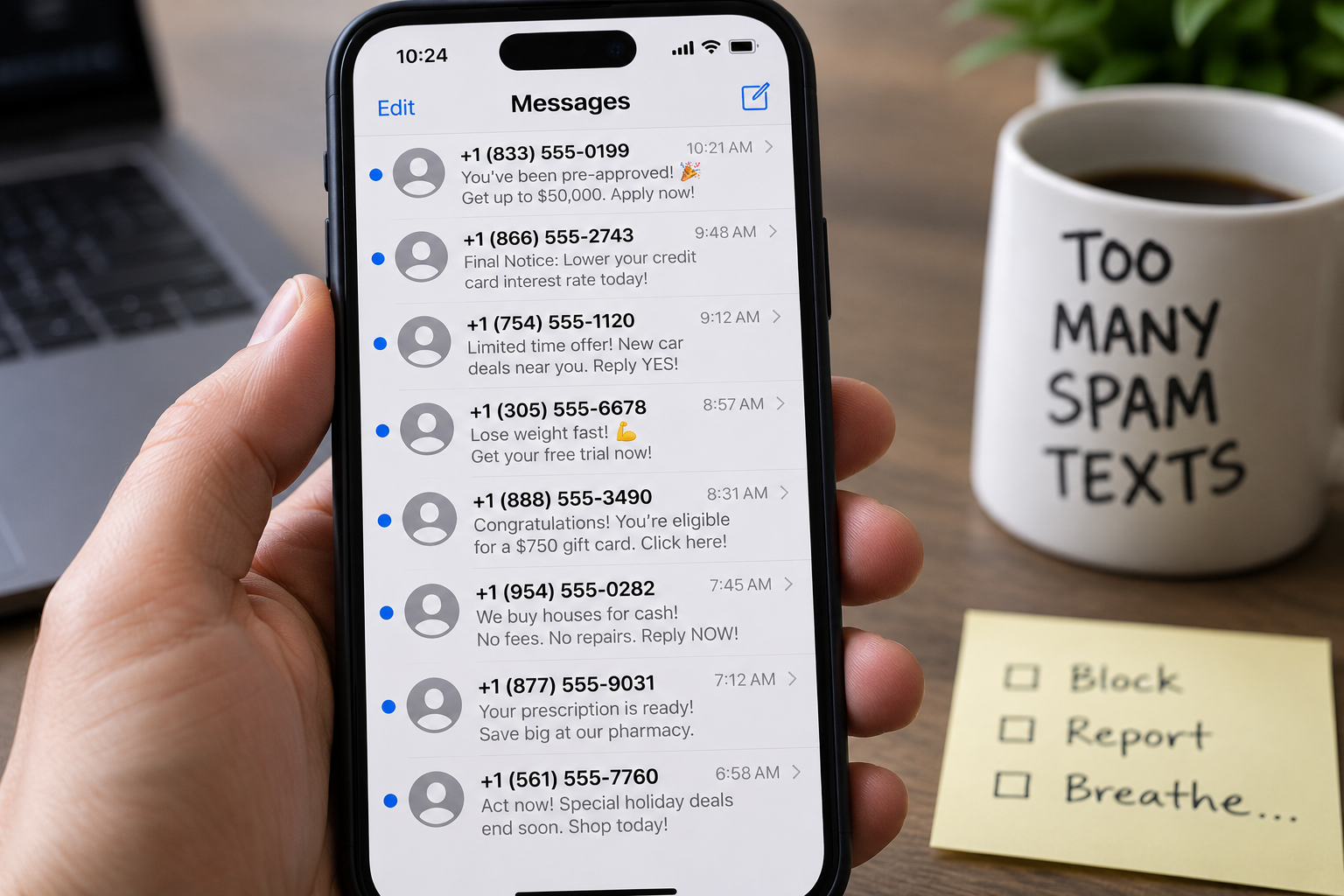
The first is Callier v. Finish Line, Inc., 2026 U.S. Dist. LEXIS 203594 (N.D. Tex. Aug. 19, 2026). A plaintiff registered his cell number on the national Do-Not-Call Registry in 2021 and then received at least 97 marketing texts over about eighteen months, every one of them from Finish Line trying to sell him shoes. He had never given the retailer his number and had never done business with it. Finish Line moved to dismiss and ran the full playbook.
The Court declined to be impressed. The right question, it held, is not whether Congress had texting in mind in 1991 but "whether the concept of a 'text message' is fairly embraced by the meaning of 'telephone call'" back then. The dictionary in circulation at the time defined "call" as "to get or try to get into communication by telephone," and a text does exactly that. As the Court put it, "a usage which seems obvious now is not always a reflection of the original meaning of the statute." A statute that reaches situations Congress never pictured is not ambiguous. It is broad.
The TCPA itself defines a "telephone solicitation" as the initiation of a "telephone call or message." And the defendant had already conceded — as everyone does — that § 227(b) covers texts, using the very same phrase, "telephone call," that it insisted was voice-only two subsections earlier.
The Court noted that reading the phrase to cover texts in some subsections but not others "would yield potentially absurd inconsistencies." It sided with Alvarez v. Fiesta Nissan, McGonigle v. Shopperschoice.com, and Duron v. Kings Capital Holding, and set aside Davis v. CVS Pharmacy and El Sayed v. Naturopathica as neither binding nor persuasive.
The cell-phone argument fared no better. Joining Cacho v. McCarthy & Kelly, Lyman v. QuinStreet, and Hudson v. Palm Beach Tan, the Court held that privacy interests under § 227(c) "do not depend upon whether the undesired telephone solicitations are received on a cellular phone rather than on a landline."
Three weeks later, in Boyd v. The Cover Bear, LLC, No. 1:26-cv-20408-DPG (S.D. Fla. Sept. 9, 2026), a court facing the same species of motion issued a paperless order denying it and finding that "the Complaint adequately alleges Plaintiff's claims." Answer due September 23.
Same answer. One Court showed its work. The other apparently did not feel the need anymore.
Great stuff.