
Graves v. MED-1 Solutions, LLC, 2026 U.S. Dist. LEXIS 200500 (S.D. Ind. Sept. 3, 2026)
A consumer with a defaulted medical debt felt harassed by debt collection attempts and mailed the debt collector a letter saying: don't call me between 8 a.m. and 6 p.m., I'm at work. The collector admits it got the letter. Two months later it called her at 9:13 a.m. and left a voicemail. She sued under § 1692c(a)(1) of the FDCPA (no contact at times known to be inconvenient). Both sides moved for summary judgment on liability.
The Debt collectors conduct is a violation of the FDCPA's ban on contacting a consumer at a time the collector knows is inconvenient. So the defendant tried to open two escape hatches. Both shut closed.
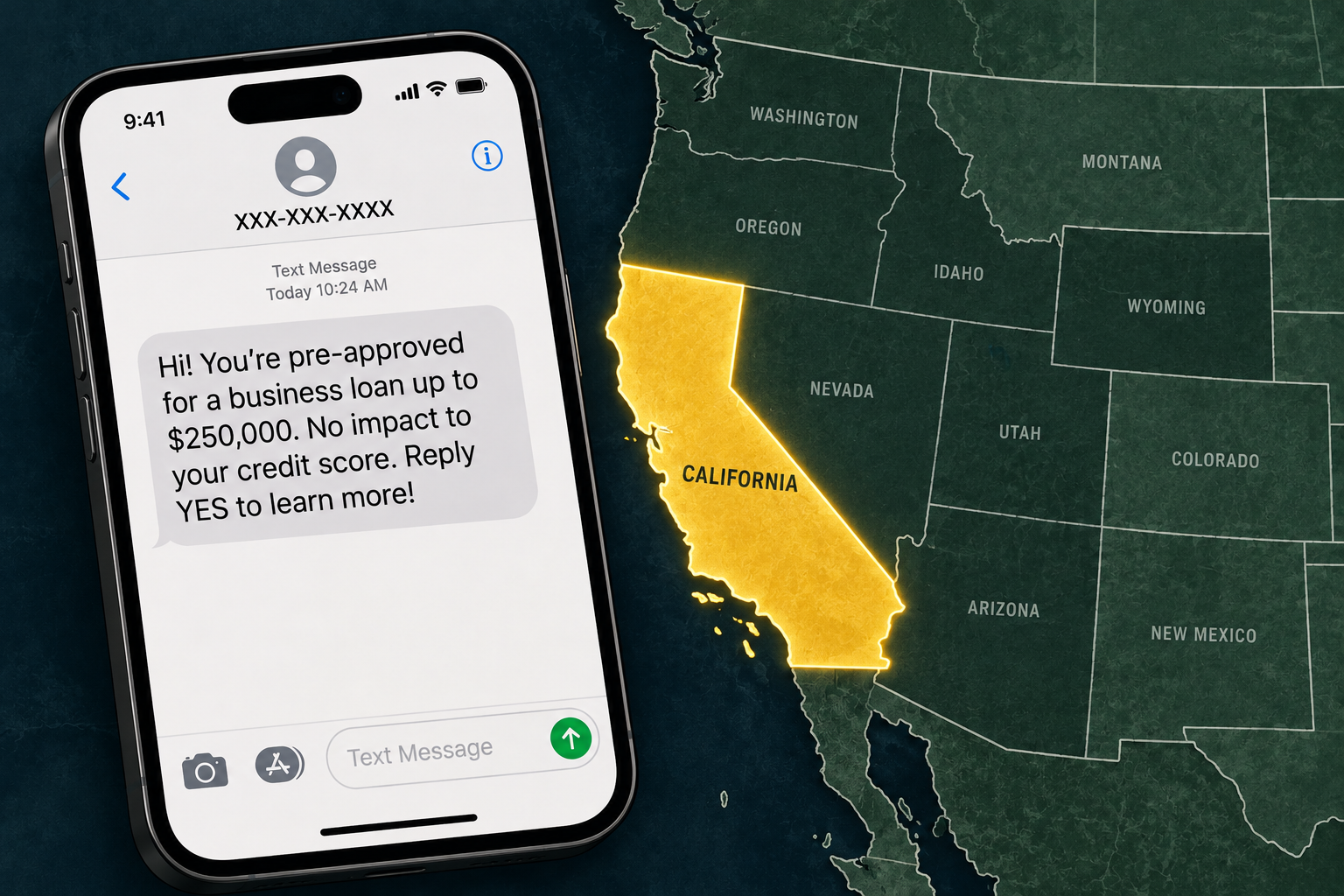
The first was article III standing. The defendant argued that under Freeman v. Ocwen Loan Servicing, LLC, 113 F.4th 701 (7th Cir. 2024), an unwanted phone call isn't a concrete injury. The Court disagreed, leaning on a familiar name from the TCPA world: Gadelhak v. AT&T Services, Inc., 950 F.3d 458 (7th Cir. 2020). If a single unwanted text is an intrusion upon seclusion under the TCPA, an unwanted debt-collection call at a prohibited hour is the same kind of harm under the FDCPA.
As the Court put it, quoting a sister ruling against the same collector, Fain v. Med-1 Solutions, LLC, 2026 WL 2198700 (S.D. Ind. July 27, 2026), "the harm caused by receiving an unwanted text message is no different than the harm caused by receiving an unwanted phone call."
The second escape hatch was Defendant's bona fide error defense. Defendant's story: it has written mail procedures, the legal assistant was trained on them, and she simply failed to flag the account. Reasonable precautions, not every conceivable precaution, are all the statute requires.
At deposition, the Defendant's floor manager was asked whether there is any safeguard when a letter gets scanned but never noted, he answered, "No. We wouldn't get any kind of notification that something was scanned into the account." Asked whether a mistake like this one is "completely unchecked," he said, "Yeah." The only review was "random audits here and there," and usually only after someone complains or sues.
That was the end of the error defense. "Merely telling employees what to do without providing any safeguard to check their work does not constitute a reasonable procedure to avoid errors," the Court wrote. Otherwise, "the Act would cease to protect anyone."
The Court explained that real procedures have to detect and fix deviations, not just describe the right way to do things.
Summary judgment on liability was granted in the plaintiff's favor. Damages and attorneys' fees head to a jury in November unless the parties settle first.