Some motions to dismiss are long shots. Others are filed in the wrong time zone.
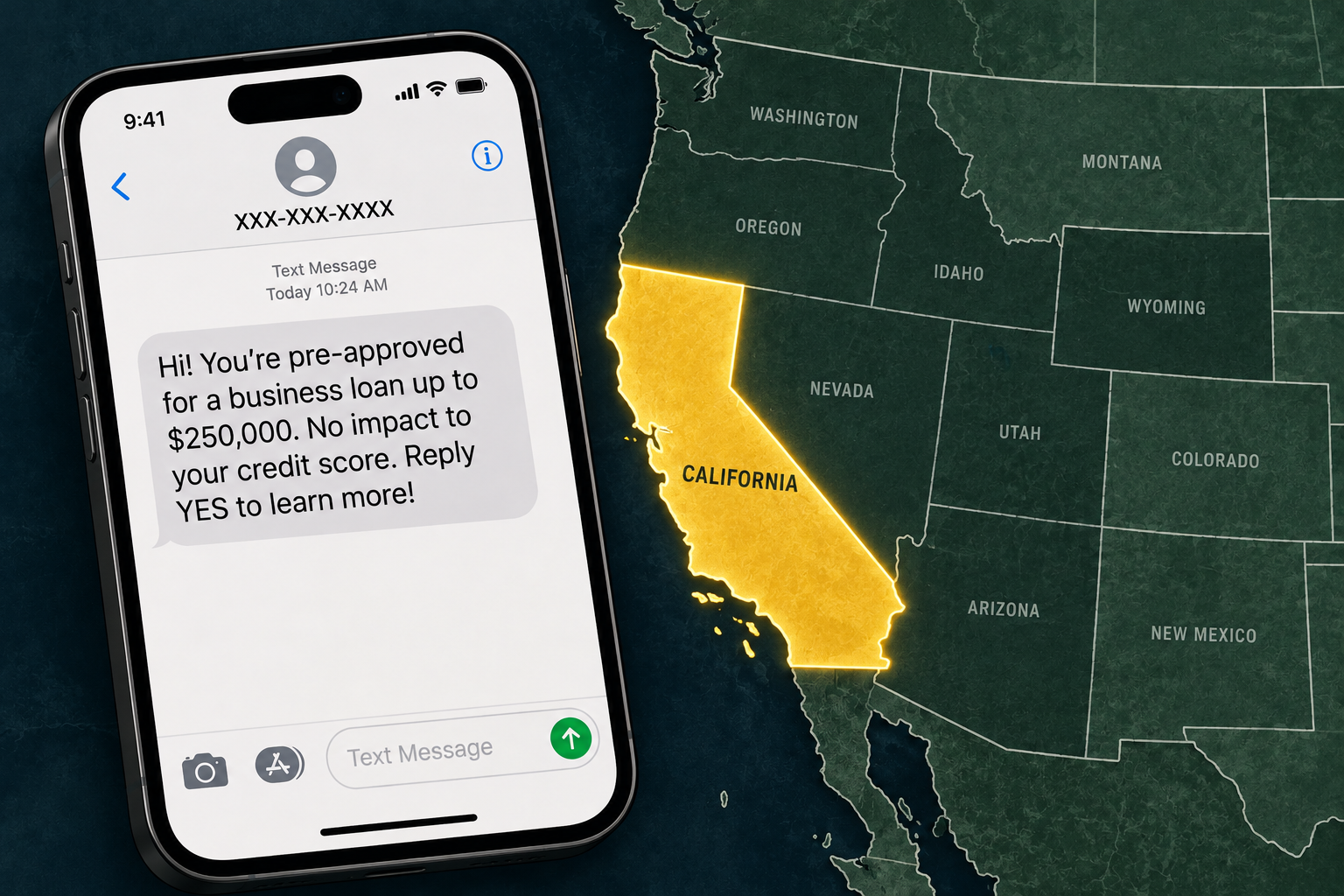
In proposed TCPA class action Lewis v. Tenth Hall, Inc., 2026 U.S. Dist. LEXIS 241275 (E.D. Cal. Oct. 21, 2026), the plaintiff alleged that his number had been on the National Do Not Call Registry since 2004. He also alleged that the defendant sent him marketing texts anyway, twice in the spring of 2026. He sued under § 227(c)(5) on behalf of a putative class. The defendant moved to dismiss with two arguments: texts aren’t calls, and the complaint never says what the plaintiff’s phone number is.
The first argument came straight out of Steidinger v. Blackstone Medical Services, 182 F.4th 532 (7th Cir. 2026). The trouble is that this case was in California. The Ninth Circuit held that a text message is a “call” in Satterfield v. Simon & Schuster, Inc., 569 F.3d 946 (9th Cir. 2009). It reached the same conclusion “even under de novo review” after Loper Bright in Howard v. Republican National Committee, 164 F.4th 1119 (9th Cir. 2026). Both cases arose under § 227(b), not § 227(c), but that made no difference. The Court agreed with Combs v. UG Franchise Operations, 2026 WL 2970636 (C.D. Cal. Oct. 2, 2026), which explained that “the same term is presumed to bear the same meaning throughout a statute.” It also pointed to Miller v. Direct General Insurance Agency and Taha v. Momentive Software, two more Ninth Circuit district court decisions applying Satterfield and Howard to § 227(c)(5).
Steidinger, it seems, does not travel west.
The second argument was the more interesting one. The defendant said the complaint had to include the plaintiff's actual phone number, or no one could know whether it was on the DNC Registry.
The Court disagreed.
The complaint alleged the approximate dates of the texts, that there was more than one, their commercial purpose, that the plaintiff regularly used the receiving number, and that the number had been registered since December 14, 2004. That was enough. The defendant cited no authority for its number requirement in its motion to dismiss and then only dropped the argument in its reply. Forcing an amendment just to type out ten digits, the Court said, “would be a waste of judicial resources.”
In place of authority, the defendant offered an exhibit listing 145 TCPA cases filed by plaintiff’s counsel. It called the firm a “serial and prolific filer of lawsuits” whose cases get dismissed. According to the exhibit itself, many of those cases were dismissed because the “case was already resolved.” The Court’s take: “This information is not only irrelevant, but also not particularly persuasive.”
Motion denied. The texts are calls in the 9th Circuit, the plaintiff's digits can stay out of the complaint, and the case moves forward.