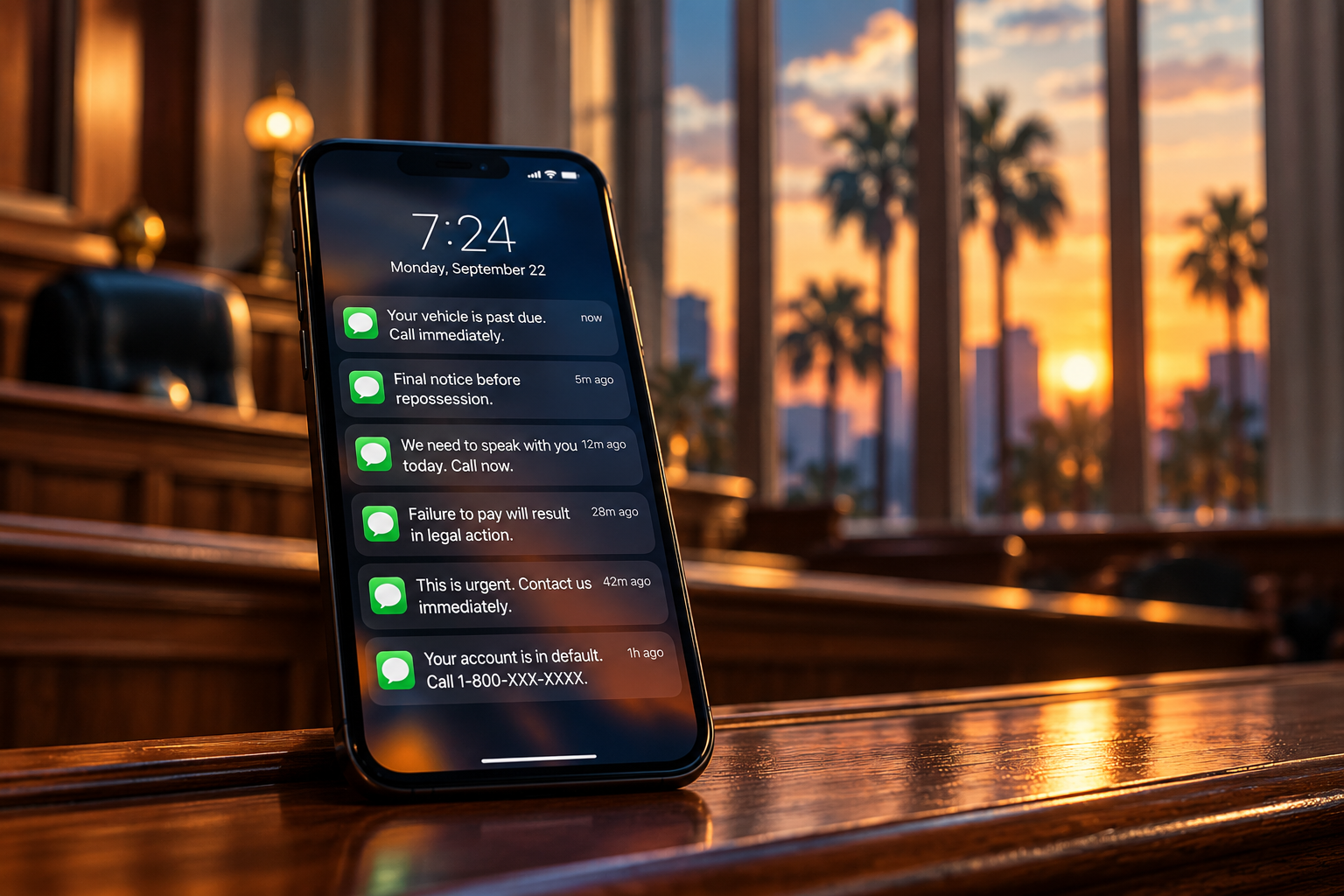

Imagine getting more than 150 ringless voicemails in about five months, all with the same prerecorded pitch for debt relief, all from different numbers. At some point, curiosity wins and you call one back to find out who is behind it.
According to the defendants in this TCPA proposed class action Durham v. Clarity Debt Resol., Inc., No. 3:26-cv-00111, 2026 U.S. Dist. LEXIS 226648 (M.D. Tenn. Oct. 2, 2026), that was the plaintiff's mistake. She answered one call and returned three voicemails, and so, the argument went, she consented to being contacted.
The Court was not persuaded. "This argument gets things backwards," it wrote. The statute asks about prior express consent, and the Court put it plainly: "The fact that [the plaintiff] answered a phone call and spoke to [the defendant's] representative does not constitute retroactive consent to have received the call."
Each the plaintiff called back she reached an intake agent for the debt-relief company, who emailed her enrollment materials along with a retainer agreement for a law firm. The law firm argued the complaint tied it to no caller, no contract, and no knowledge of the voicemails.
The problem was the calendar. The plaintiff alleged she sent written notice of the campaign to defense counsel in early December. After that, she was contacted at least sixty more times and received the law firm's retainer agreement again. The Court said it "need not conduct a detailed agency analysis to conclude that, as alleged," the law firm ratified the calls.
The court noted that the complaint was "not a model of clarity," but group pleading "is not inherently deficient," and both defendants had fair notice of the claim against them. The request to toss the class allegations was denied, with a reminder that "pre-discovery motions to strike class allegations are disfavored." The request to stay discovery was denied as well.
So the TCPA claims moves forward, and the defendants are left with an awkward takeaway: the callback they pointed to as consent is the same callback that revealed who was on the other end of the line.