A mortgage lender asked a federal court to toss a Do-Not-Call TCPA case. Its reasons were that the complaint didn’t list every call, didn’t include the plaintiff’s own phone number, and didn’t quote the texts word for word. The Western District of Washington wasn’t persuaded.
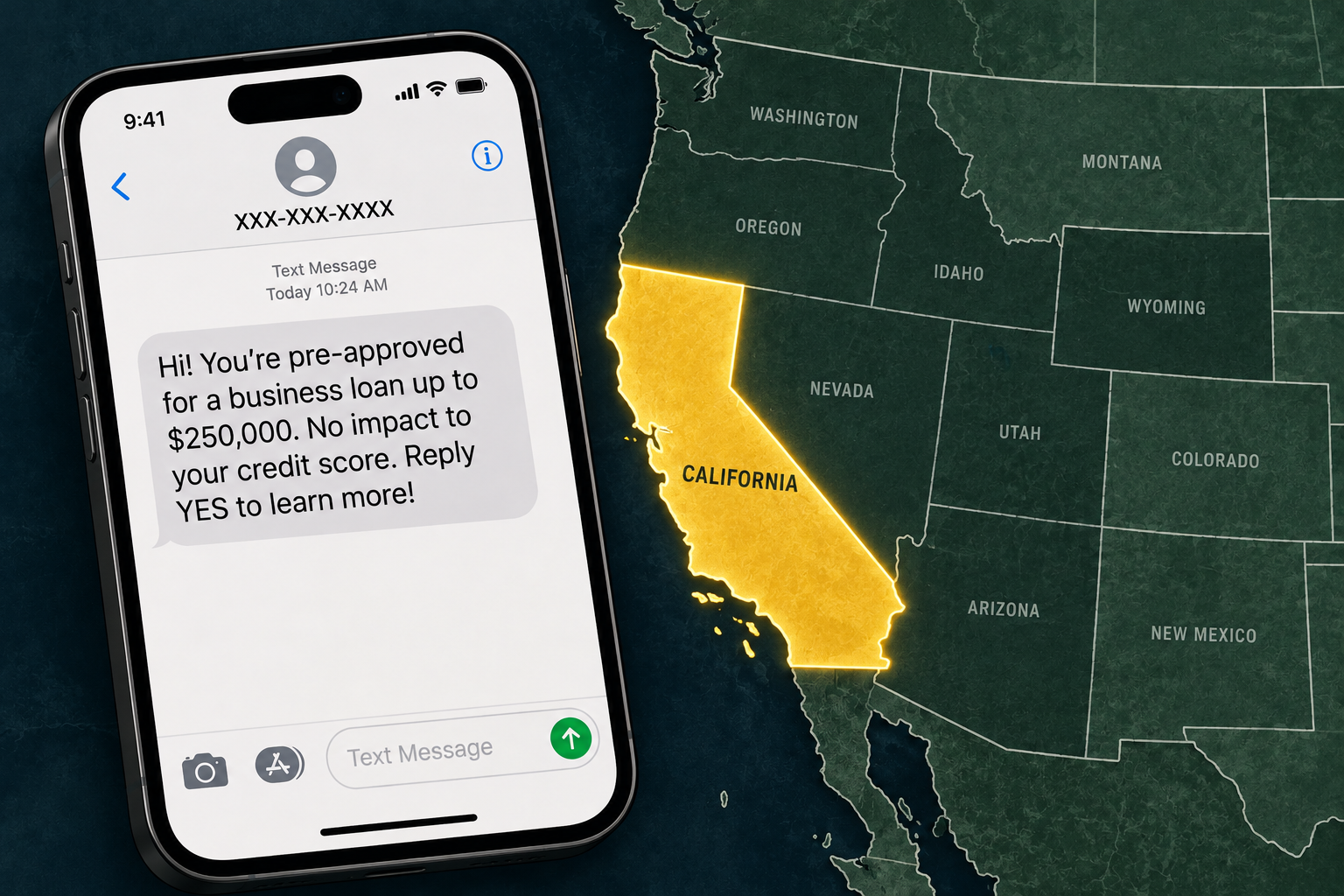
In Littman v. Mortgage One Funding LLC, No. 3:26-cv-05548-BHS, 2026 U.S. Dist. LEXIS 241455 (W.D. Wash. Oct. 21, 2026), the plaintiff alleged that the defendant spent years sending him unwanted calls and texts pitching financial services. His number was on the National Do Not Call Registry the whole time. The complaint claimed at least ten violations but detailed four: two texts and two voice calls, all in a single week in November 2025. Each came with a date, a callback number, and the name of the agent who reached out.
The defendant called that unfair notice. Where were the other six communications? When did they happen? And what was the plaintiff’s phone number, anyway?
The Court held that the plaintiff “need not identify the specific telephone number or enumerate every infringing call or text message to provide fair notice of the claims.” It relied on Ott v. Mortgage Investors Corp. of Ohio, which said that “if there is a question about the phone number at issue, it can be addressed through discovery.” It also cited Sprogis v. Suntrust Bank, which observed that call dates and frequency are more likely to be in the defendant’s own records anyway.
The defendant also argued the complaint didn’t show the messages were sales pitches. Citing Chennette v. Porch.com, Inc., the Court explained that the TCPA protects registry members from telephone solicitations. It found that unconsented contact with a registered number about financial services supports “a reasonable inference that it contacted him to solicit financial services.” Then it added: “Indeed, [the defendant] does not contend otherwise.” The Court said whether the evidence holds up “is a question better resolved on a developed factual record.” The plaintiff’s Washington state-law claims survived too, including a consumer protection claim tied to a texting violation under Wright v. Lyft, Inc.
The defendant did win one round. The Court held the plaintiff lacked standing to seek an injunction, because one week of calls in 2025 didn’t show “a sufficient likelihood that he will again be wronged in a similar way.” That request was dismissed without prejudice.
Everything else moves forward. The defendant wanted more details about its own calls, and discovery should help with that.