Whether cell phones can be considered "residential" is unfortunately a hot topic again in TCPA litigation.
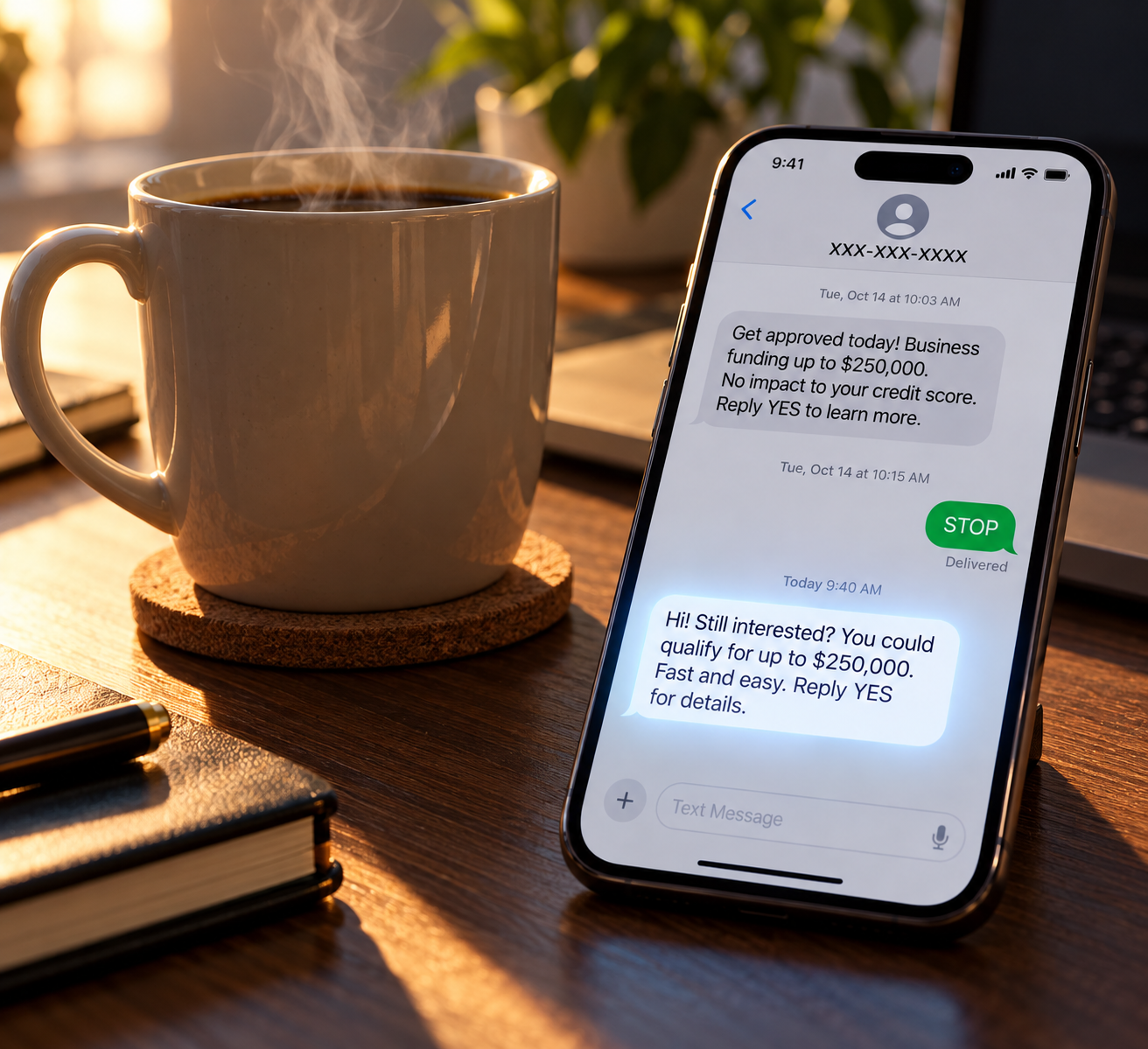
In Gutman v. Ember Technologies, Inc., No. 25-CV-02436, 2026 U.S. Dist. LEXIS 244867 (E.D.N.Y. Oct. 26, 2026), the plaintiff with his cell number on the Do Not Call Registry told a company to stop texting him. Over a year later, the texts came back. He sued the company and the marketing agency it hired to run its texting program, alleging both registry violations and internal do-not-call violations. The defendants raised five reasons for dismissal. The Court walked through each one and rejected them all.
Texts Are Calls
The defendants argued that § 227(c)(5) covers only “telephone calls,” and that texts don’t count. They relied on Jones v. Blackstone Medical Services, affirmed by the Seventh Circuit in Steidinger, and on Davis v. CVS Pharmacy. The Court did its own independent analysis under Loper Bright and McLaughlin in four steps.
First, plain language. Dictionaries from 1990 and 1991 defined “call” as to “get or try to get into communication by telephone.” The Court found that definition “plainly broad enough to include text messages.” Texting didn’t exist yet in 1991, but general terms can embrace later technology. Congress could have written “voice call” and didn’t. The defendants also argued that “call or message” elsewhere in the statute means “call” must exclude messages. The Court called that Congress writing in its usual “belt and suspenders manner.”
Second, statutory context. The identical phrase in § 227(b) has been read to cover texts by the Second Circuit in Duran and Melito, and assumed to by the Supreme Court in Campbell-Ewald and Duguid. Same word, same statute, same meaning. If anything, § 227(c) targets broader privacy harms than § 227(b). Under Wilson v. Easy Spirit, the 2018 anti-spoofing amendments that separate voice and text addressed a different problem and didn’t quietly rewrite the private right of action.
Third, the FCC. Its view isn’t binding after Loper Bright, but McLaughlin still calls for “appropriate respect.” The agency has consistently said texts are covered since 2003.
Fourth, other courts. Most district courts agree. Jones and Davis rested on the fact that texting hadn’t been invented yet, and the Court found that reasoning “logically unpersuasive.” The defendants also warned that emails would be next. The Court answered that texts travel between telephones and emails don’t.
Cell Phones Can Be Residential
The defendant argued the plaintiff’s cell phone wasn’t a “residential” line, relying on Gillam v. Reliance First Capital. The Court again started with a 1990 dictionary, which defines “residential” as relating to where one lives. The plaintiff alleged he used the number for personal, not business, purposes. That fits the definition, and the Court said no more detail is needed at this stage.
Context points the same way. Under Cacho, Congress used “residential” to distinguish personal subscribers from business ones.
The plaintiff’s DNC registry listing also carries a presumption of residential status, recognized in Cacho and Rose. The Court explained why that presumption makes sense: “a business ostensibly has a phone number so that it can receive and field calls from potential or existing customers.” Gillam didn’t hold up because it never gave that presumption its due.
The Texts Were Solicitations
The defendant argued that texts sending the plaintiff to its website weren’t selling anything. The Court disagreed. Texts with discount codes urging the plaintiff to shop are “encouraging the purchase” of goods. The defendant also argued that some texts had no link at all. They were sent within an hour of the ones that did, so the Court read them together. A contact card sent so the plaintiff could hear about “latest deals” counts too.
A Year is Longer Than Ten Business Days
The defendant argued that it kept an internal do-not-call list and pointed to its own internal correspondence. The Court declined to consider those documents. They were not attached to the complaint, incorporated into it, or integral to it.
Even assuming a list existed, the regulation also requires honoring an opt-out within ten business days. Texting again more than a year later doesn’t meet that standard. The defendant blamed a new texting platform, but “civil liability exists even in the case of an innocent mistake.”
An "Independent Contractor" Label Isn't a Shield
The Court agreed there was no direct liability, because the texting agency sent the texts. Vicarious liability was another story. The contract let the company review, approve, and reject the marketing agency’s work. That is the interim control that defines actual authority, and it closely tracks the facts in Carradine v. Flatiron Media.
The contract also called the agency an “independent contractor.” That didn’t matter. Under In re Shulman Transport Enterprises, a relationship is judged by its real character, not its label. As the Court put it, a company “cannot shield itself from agency liability simply by adding a clause in the contract that says there is no agency relationship.” Otherwise, every defendant would just add the clause.
Fantastic win for the consumers here that don't want to be spammed with telemarketing. This is how good TCPA caselaw is made!