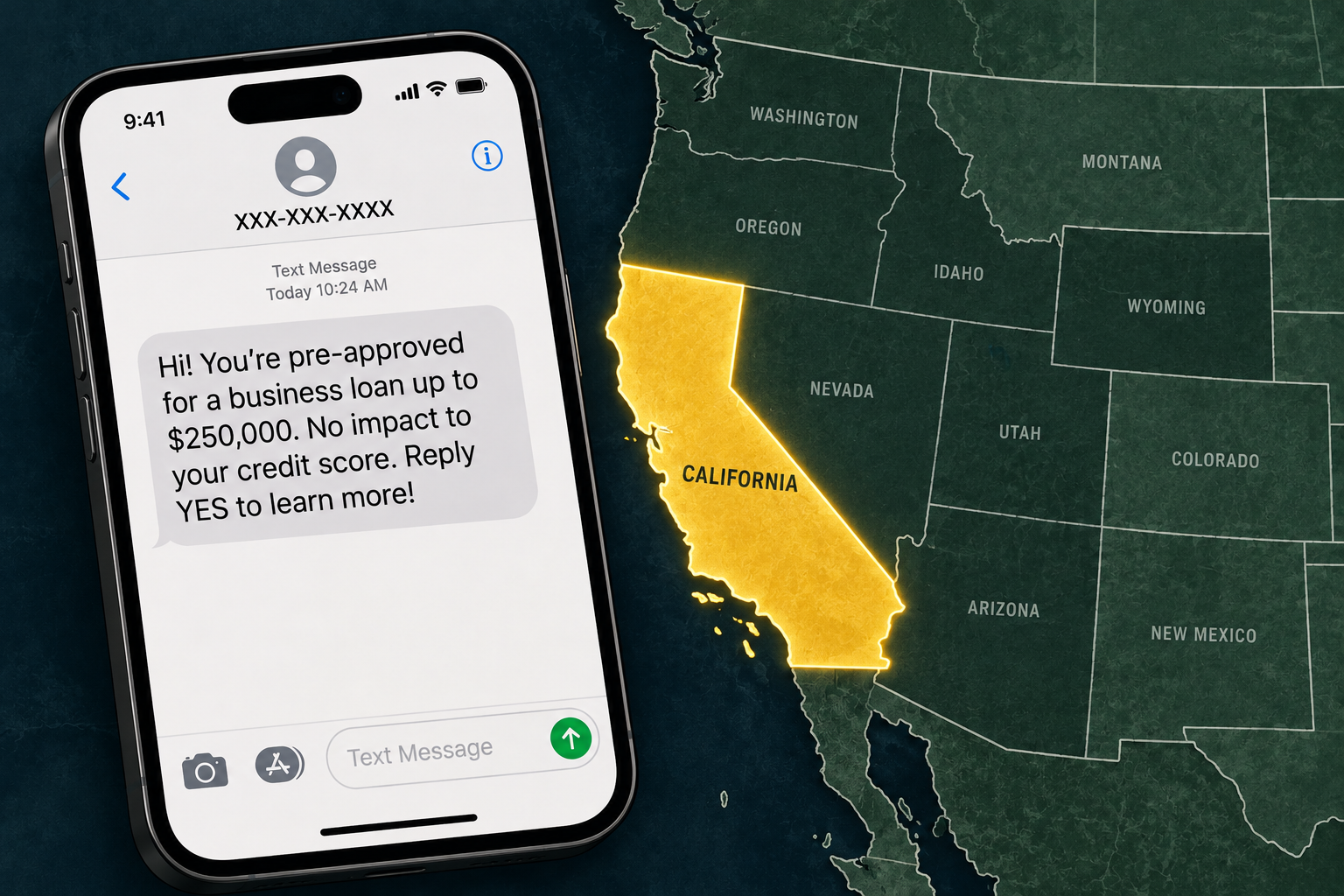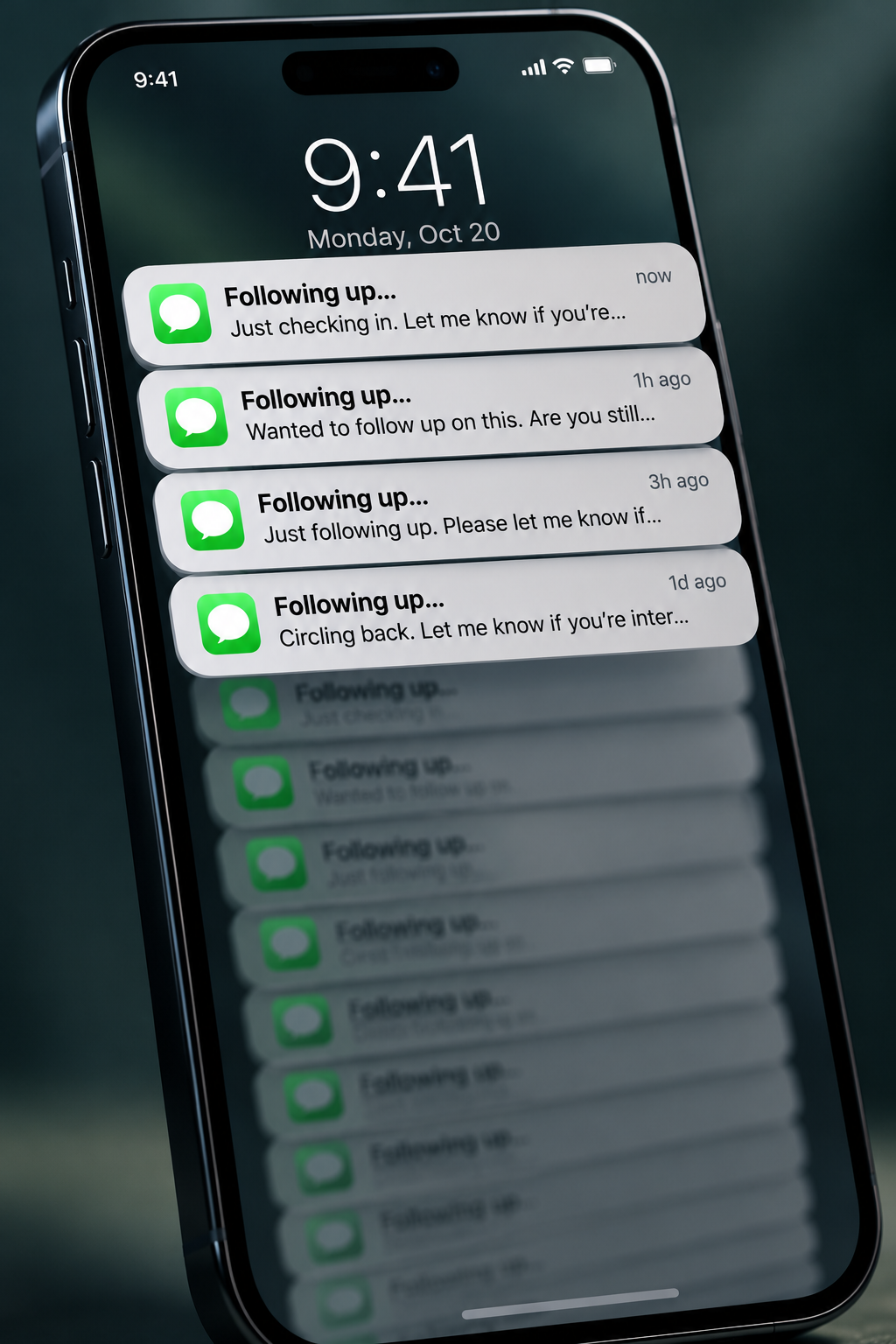

In Weingrad v. EverQuote, Inc., 2026 U.S. Dist. LEXIS 158431 (D. Mass. June 26, 2026), the plaintiff, whose number was on the DNC Registry, alleges he got three telemarketing calls in one day from the defendant, EverQuote, Inc., and filed a putative class action under the TCPA § 227(c).
EverQuote, Inc., an online auto insurance lead generator, filed three responsive motions right off the rip: a motion to compel arbitration, a motion to strike the class allegations, and a motion to stay discovery.
Three seperate motions in three seperate filings.
It went zero for three.
I've seen this particular defense firm's opening move many times before. Three or four motions land at once, right out of the gate, and one of them is almost always a motion to strike the class allegations. I have yet to see that one work. Companies keep paying for it anyway, which is either optimism or a billing strategy, but it certainly doesn't seem to be a good use of their money given the track record of these failing.
On arbitration, the defendant's website asks visitors for personal information and then offers a bright orange button labeled "Get My Quotes." Beneath it sits a block of text with hyperlinks, ending with an affirmation that the user has read and agrees to the Terms of Use, "including the arbitration provision and the E-SIGN Consent." Section 2 of those Terms contains the arbitration agreement. The defendant produced a business record showing that on the day in question, the plaintiff's phone number and an email address went into the form, and the button got clicked.
The Court never had to decide whether that button creates a binding contract, because of a more basic problem: nobody could say who pressed it. As the Court put it, the defendant's motion:
"begins by describing an anonymous user . . . but switches, without explanation, to 'Plaintiff.'"
The supporting declaration did the same thing — it explained what happens when "a consumer" visits the website, then asserted that the business records "definitively establish" that the plaintiff visited and requested quotes. The Court found the connective tissue missing: "there is no indication that the person (or bot) that purportedly clicked the button was identified by a name, IP address, or other meta data."
The Court then supplied the possibilities the declaration hadn't. Somebody else could have entered the number as a typo. Somebody could have entered it on purpose. A bot could have been feeding numbers into the webform. Against that backdrop, the declaration's claim that without the plaintiff's own actions the defendant never would have gotten his number was, in the Court's word, "dubious."
The plaintiff had an alibi. He said he couldn't have filled out the form because he spent that day offline, in an all-day deposition. He also said he'd never used the email address that came in attached to his phone number. Since motions to compel arbitration in the First Circuit get the summary judgment treatment under Air-Con, Inc. v. Daikin Applied Latin Am., LLC, 21 F.4th 168 (1st Cir. 2021), that was more than enough. Genuine dispute of material fact. Motion denied.
Then came the motion to strike, and here the Court explained why this play so rarely lands. Striking a pleading is "a drastic remedy," and striking class allegations is worse, because it "preemptively terminate[s] the class aspects of . . . litigation, solely on the basis of what is alleged in the complaint, and before plaintiffs are permitted to complete the discovery to which they would otherwise be entitled." Manning v. Bos. Med. Ctr. Corp., 725 F.3d 34, 59 (1st Cir. 2013). The First Circuit tells district courts to exercise caution here. A defendant has to show it is obvious from the pleadings that the class cannot be certified — before anyone has taken so much as an interrogatory.
EverQuote offered three reasons the class was overbroad.
First, it said it calls only people who asked for quotes, so consenting individuals would be swept in. But consent is an affirmative defense, not a defect in the class definition. Also, if lack of consent was included in the class definition, then the defendant probably would have moved to strike the class definition as a fail-safe class. So really, the Defendant is just playing (expensive) games with this one.
Second, it argued that class members who didn't personally register their own numbers onto the National do not call registry lack standing, leaning on Rombough v. Robert D. Smith Ins. Agency, Inc. The Court wasn't persuaded, noting that most courts "have resoundingly rejected" Rombough, and lined up instead with Kraemer v. USHealth Advisors, Showers v. Pelican Inv. Holdings Grp. ("There is no requirement that an individual have personally registered the phone number."), Moore v. Healthcare Sols., and Nichols v. eHealthInsurance Servs. The registry protects the number, regardless of who listed it.
Third, the defendant said including text messages broke the class. Texts are calls (Campbell-Ewald Co. v. Gomez; Breda v. Cellco P'ship), and that was that.
Defendant's commonality argument fared no better. Commonality is a low bar with a "permissive application," and a single common legal or factual issue can carry it. The Court pointed to Mantha v. QuoteWizard.com, LLC, 347 F.R.D. 376 (D. Mass. 2024) — another case about unwanted messages tied to an online insurance quote service — where commonality was satisfied on questions like whether the numbers were registered, whether the messages were received, and whether the defendant's internet-based "opt ins" actually satisfy the E-Sign Act. As for the fail-safe objection, class definitions with that problem "can and often should be solved by refining the class definition rather than by flatly denying class certification on that basis," and raising it at the pleading stage is "premature at best." Costa v. Dvinci Energy, Inc., 342 F.R.D. 38, 41 (D. Mass. 2022).
Motion to strike Denied.
With arbitration and the motion to strike both gone, the stay had nothing left holding it up. There was "no good reason to hold off starting the work of discovery."
I wonder how much of the EverQuotes money defense counsel grabbed to file these silly motions.
Anyway, I thank them because this is another great order for consumers here.