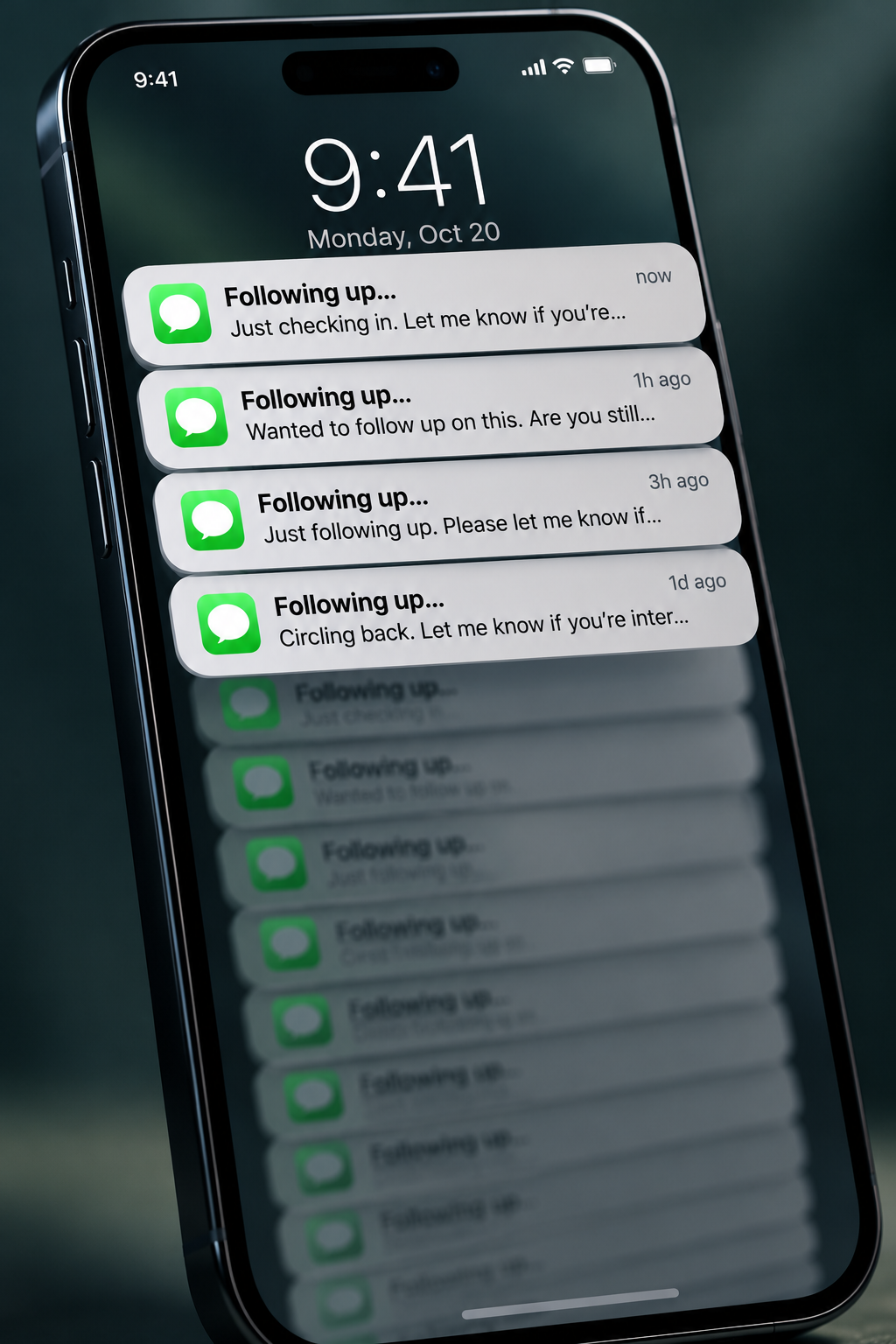
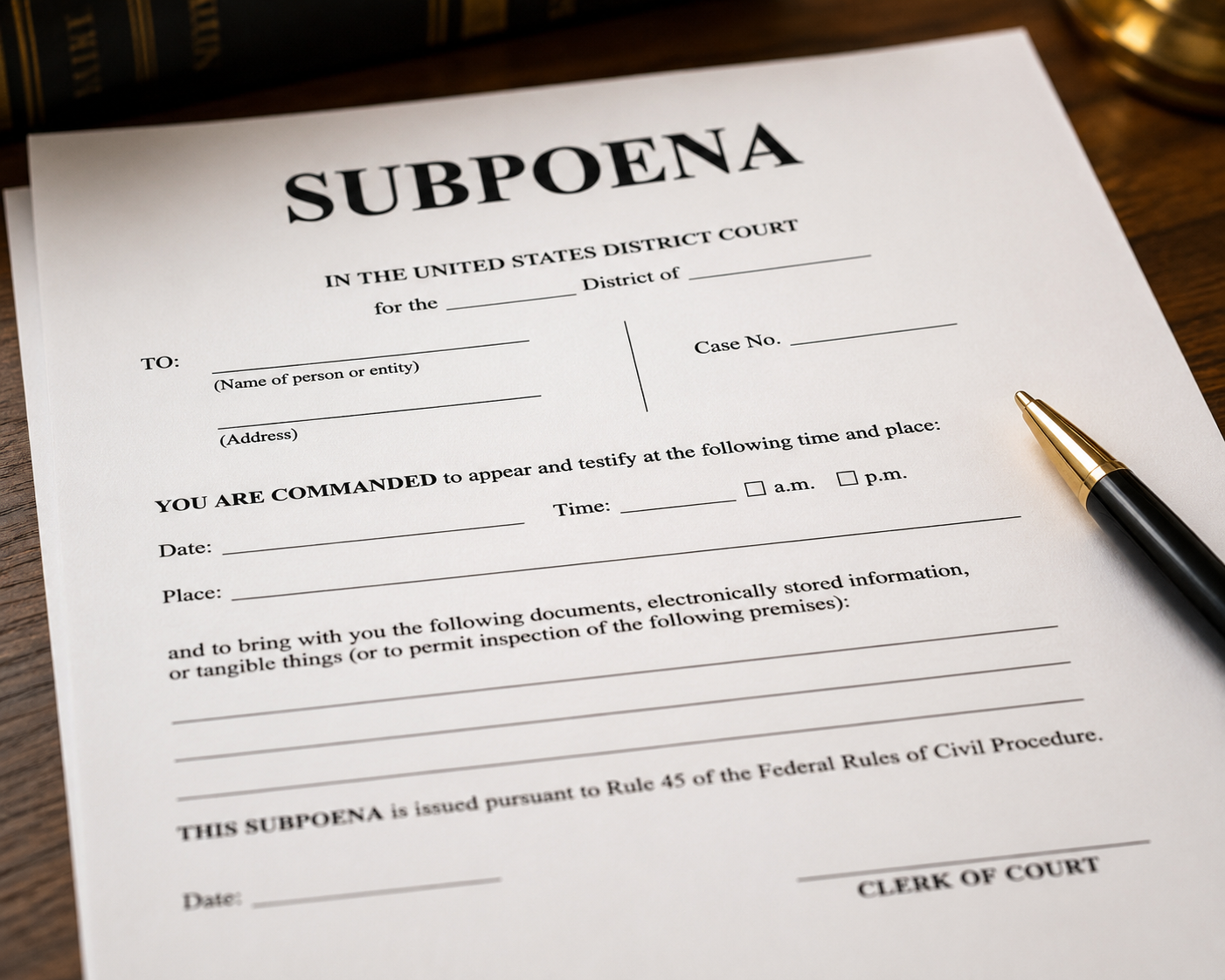
Some parties treat a subpoena the way they treat a robocall: something to ignore until it goes away. But that's now how we handle things in the Consumer Nation.
In Starling v. Navlan PR, LLC, Misc. No. 26-129 (FAB), 2026 WL 2070277 (D.P.R. July 17, 2026), a lead generation and telemarketing vendor tried exactly that — and the Court walked through why the argument fails at every step.
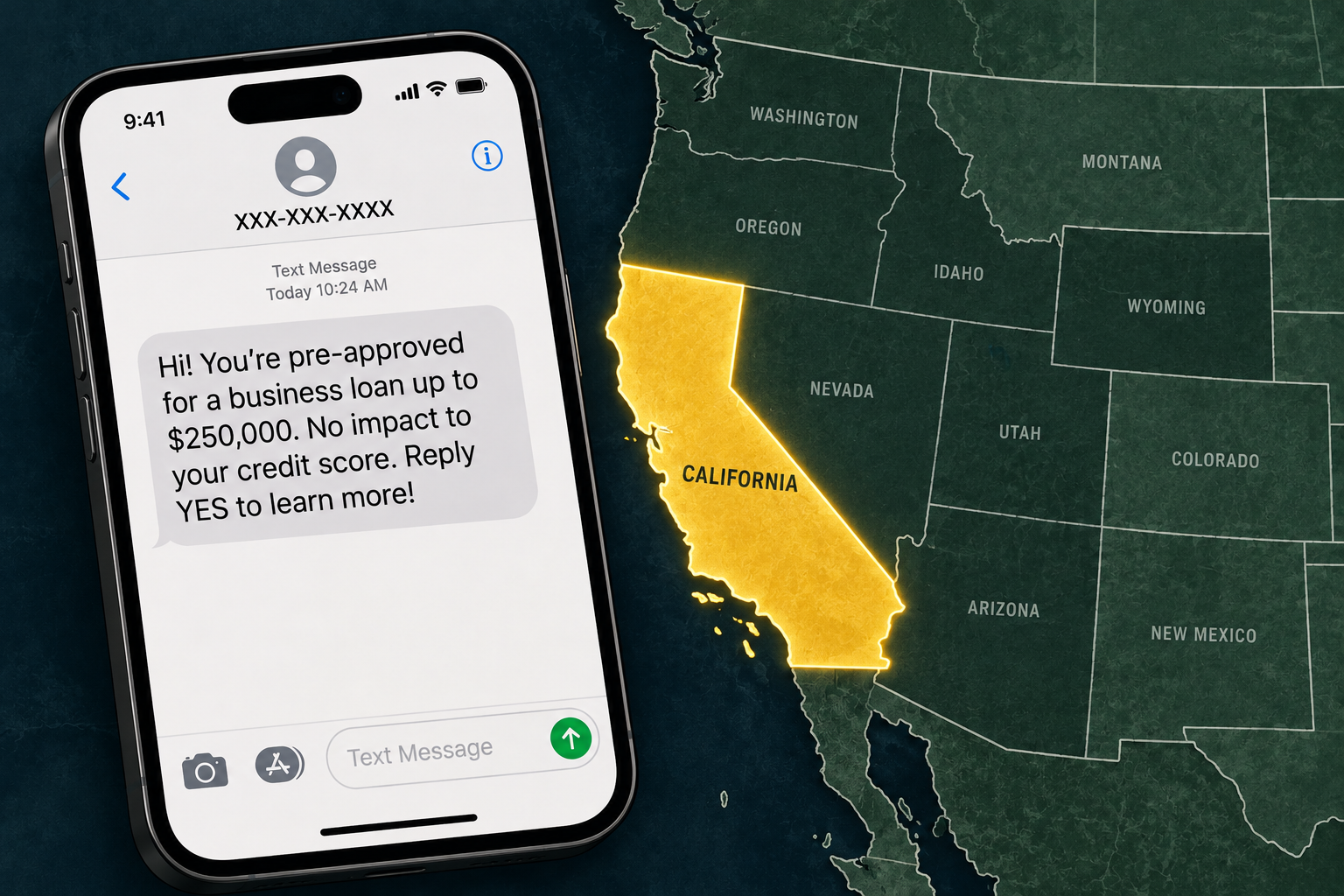
The backdrop is a familiar one. The plaintiff sued Allstate Insurance Company under the TCPA over unwanted robocalls, then went looking for discovery from the vendor behind the calls: inboundCD d/b/a Navlan PR, LLC, a lead generation and telemarketing service provider for insurance companies — and a nonparty to the Illinois suit.
And this one did not want to be found. Personal service failed, so the issuing court authorized service by mail and email. When the plaintiff later moved to enforce and tried to serve that enforcement motion, the evasion got creative. The registered agent's address on file with the Puerto Rico Department of State turned out to be an accounting firm with no knowledge of the company. A process server sent to the principal's gated community was stopped at the gate by a security officer who said he had "standing instructions not to allow process servers to enter the complex." And the vendor's own lawyers told the process server they had "no information" about their client. For a company in the business of reaching people by phone, it proved remarkably hard to reach.
None of it worked, because the vendor was aiming at the wrong rules. Its theory was that service had to satisfy Rule 4 — the rule for serving a summons — and that failing Rule 4 meant no personal jurisdiction. The Court disagreed on both counts, and the reasoning is a clean map of how these motions actually work.
First, the motion to enforce is governed by Rule 5, not Rule 4. Rule 5 lets a party serve by "mailing it to the person's last known address—in which event service is complete upon mailing." Mailing the motion to the vendor and its lawyers did the job — so completely, the Court noted, that a later round of email service was "superfluous."
Second, and more important for anyone chasing a vendor like this, is where jurisdiction actually comes from. A court does need personal jurisdiction over a nonparty before compelling compliance under Rule 45. But that jurisdiction flows from service of the subpoena, not the motion to enforce it.
As the Court put it, quoting Aristocrat Leisure Ltd. v. Deutsche Bank Trust Co. Ams., "[t]he purpose of requiring delivery [of a subpoena] to a named person is to ensure receipt, so that notice will be provided to the recipient." And subpoena service is more flexible than the old rule suggests: Rule 45 has "longstanding[ly]" been read to require personal service, but a "growing number of courts . . . have approved alternative service of a subpoena so long as service is calculated to provide timely actual notice." See Bloom v. Campbell; Ott v. City of Milwaukee (certified mail works). With leave from the issuing court, mail and email to last-known addresses cleared that bar.
The vendor couldn't claim it never got the subpoenas, because it had answered them — objecting to service and sending over documents. The Court needed one sentence: "Respondents clearly received the subpoenas because they responded, albeit belatedly and in an allegedly incomplete fashion." It didn't put up much of a fight on the point either, challenging the subpoena service only once, in passing. Motion to quash denied.
The through-line is straightforward. Rule 4 governs the summons, Rule 5 governs the motion, and Rule 45 — read to allow alternative service reasonably calculated to give notice — governs the subpoena that supplies jurisdiction. A gate guard and and evading service make for a colorful record. They don't make a subpoena disappear.