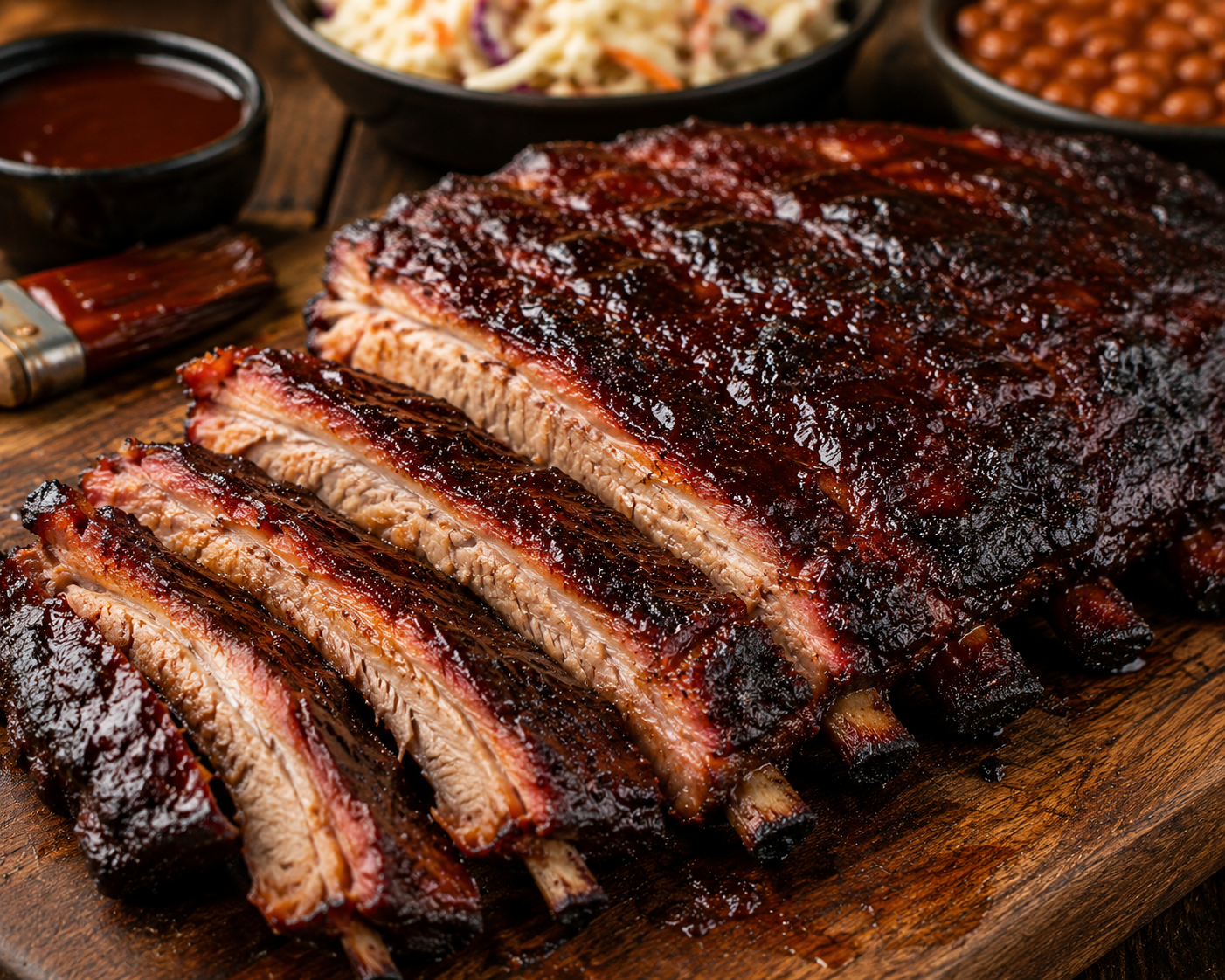
Not much better than good ol' fashioned American barbeque. But when you sue a BBQ chain over unwanted marketing texts under the TCPA you can expect the defense to come out swiging.
In McGonigle v. Dickey's Barbecue Restaurants, Inc., 2026 U.S. Dist. LEXIS 163300 (E.D. Va. July 22, 2026), it did — a motion to dismiss on three grounds and, in the alternative, a motion to strike the class allegations on two more. Five swings. None landed hard.
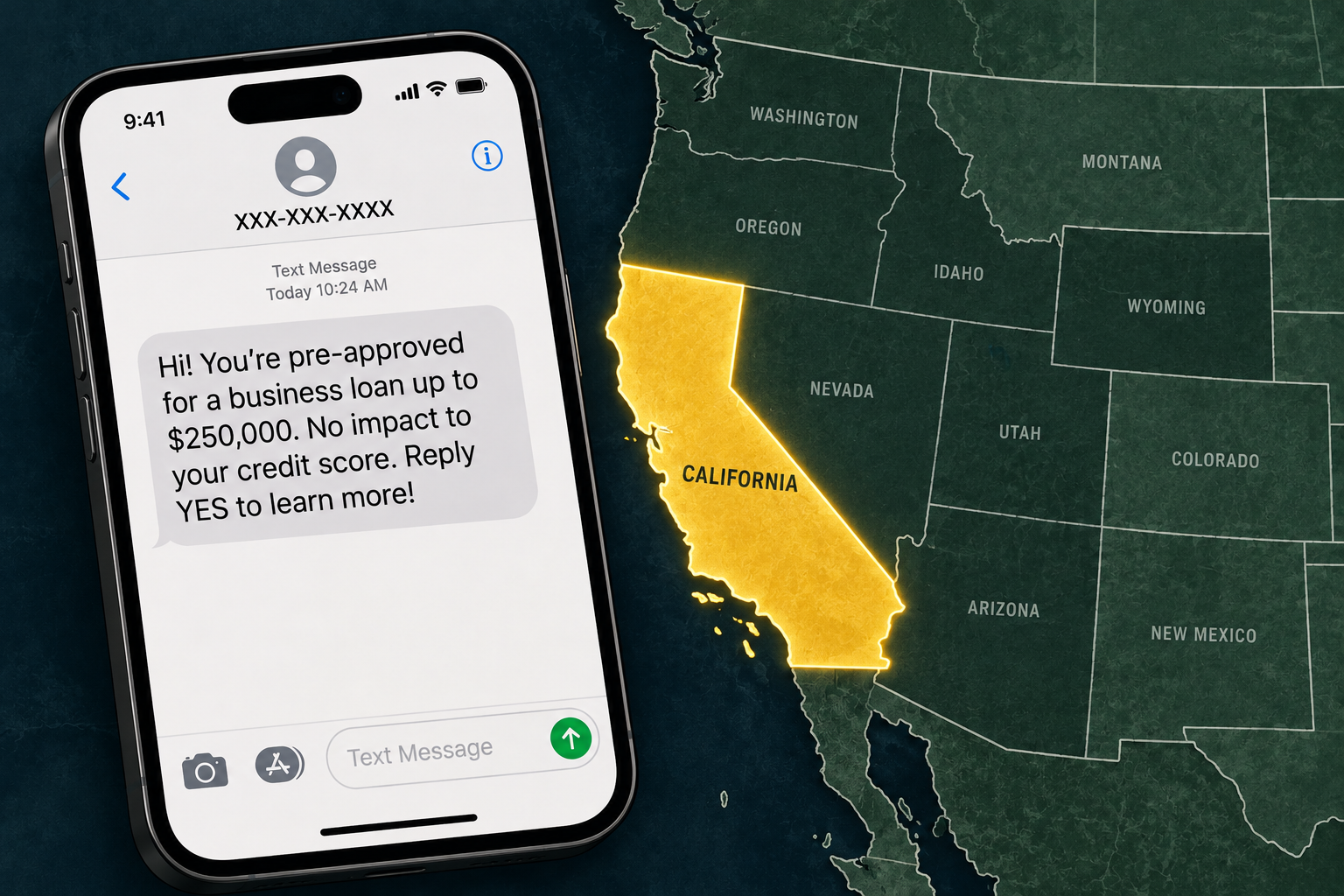
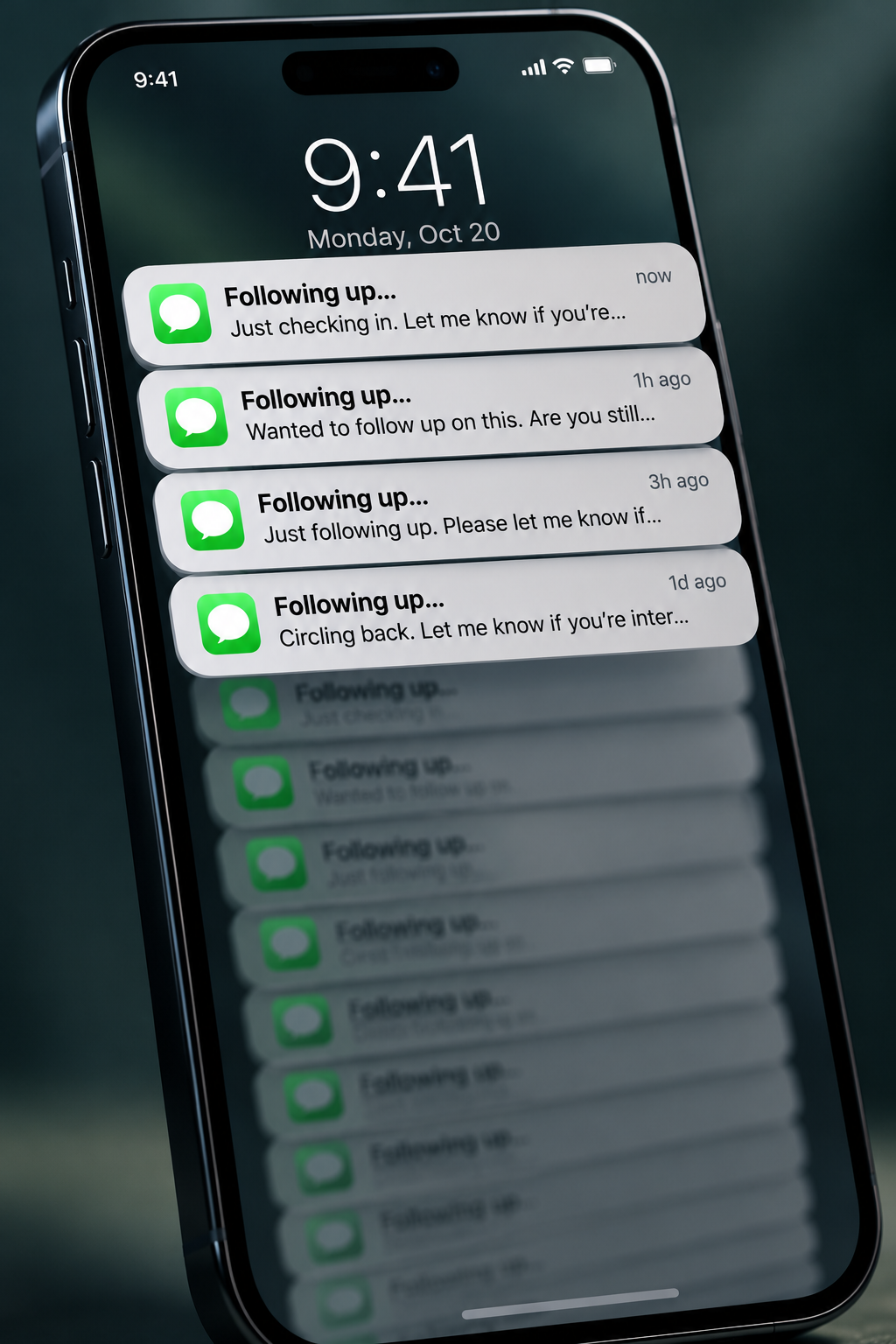
The story starts the way a lot of these do. The plaintiff got a new cell number, put it on the Do-Not-Call Registry the same day, and then — allegedly — received a run of marketing texts meant for someone else from a restaurant he never asked to hear from. He sued under TCPA Section 227(c) on behalf of a putative class.
The defendant's lead argument was that a cell phone can't be "residential," so the DNC rules didn't apply. That is a hard sell just about everywhere, and it was an especially hard sell here, because the same Court had already said the opposite. Quoting its own earlier decision in Clemens v. Consumer Sol. Ctr., the Court repeated that "a cell phone may plausibly be alleged as residential for purposes of the TCPA," and lined up a wall of agreement — Hudson v. Palm Beach Tan, Tessu v. AdaptHealth, Boardman v. Green Dot, and more — reflecting what one court called the "vast majority" view. Cell phones used like home phones get home-phone protection. As they should.
Argument two was that even if a cell phone can be residential, this plaintiff hadn't pleaded that his was. He had. He alleged he was the sole user, had no landline, paid his own bill, used the phone to talk to friends and family and handle household matters, and never used it for business. The Court found that plenty and added a line worth framing: "It is unclear what more Plaintiff could allege to establish that his phone is used for residential purposes."
Then the motion to strike. The defendant said the class was an impermissible "fail-safe" and that it raised too many individual questions. On the first, the Court leaned on the Fourth Circuit's Krakauer v. Dish Network — DNC listing plus message records are objective data, and a class that could sweep in people who consented isn't fail-safe. On the second, it pointed to the Fourth Circuit's recent Oliver v. Navy Fed. Credit Union, which says a court can cut class allegations at the pleading stage only when they show "non-compliance with Rule 23 as a matter of law." The defendant never even said which Rule 23 requirement was missing. Denied.
The BBQ chain did win a little something for its expensive efforts though. The Court agreed the complaint didn't yet plausibly allege a willful or knowing violation — but treble damages are a remedy, not a claim, and the plaintiff has fourteen days to amend. Shouldn't be too hard to allege that properly.
Good win for the consumer. Good win for US.