
Absolutely GREAT news for Pennsylvania residents that don't like spam telemarketing.
Pennsylvania Governor Shapiro just signed PA Senate Bill 992 into law enacting the state's own "mini TCPA" and after a 90-day runway the whol thing goes live on October 18, 2026.
What the Commonwealth built is a modernized version of its 1996 Telemarketer Registration Act — a statute old enough that it predated smartphones, SMS, synthetic voice, and ringless voicemail, which is to say it predated most of the tactics telemarketers actually use now. The update brings the law into the present and, more importantly, gives consumers a way to enforce it themselves.
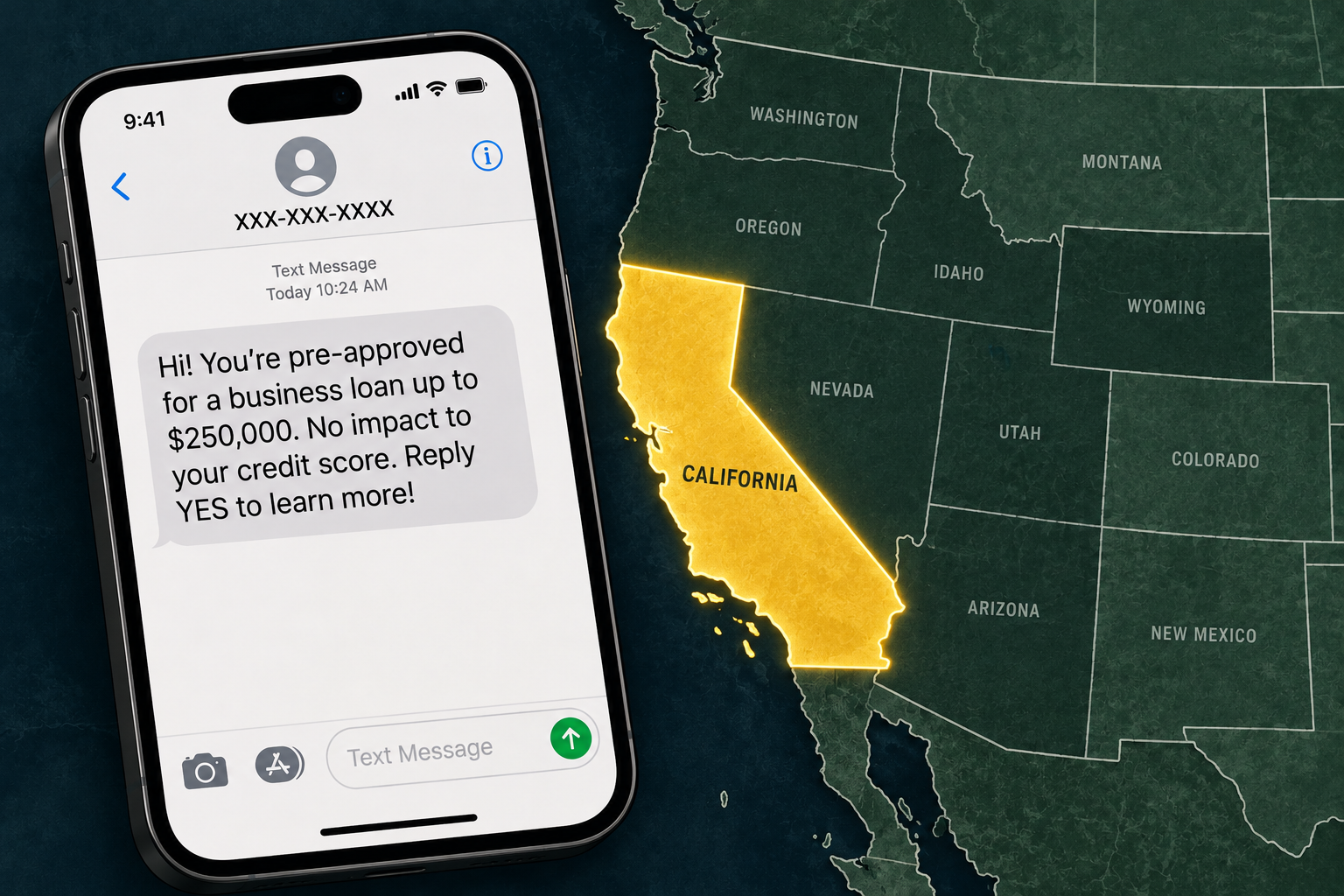
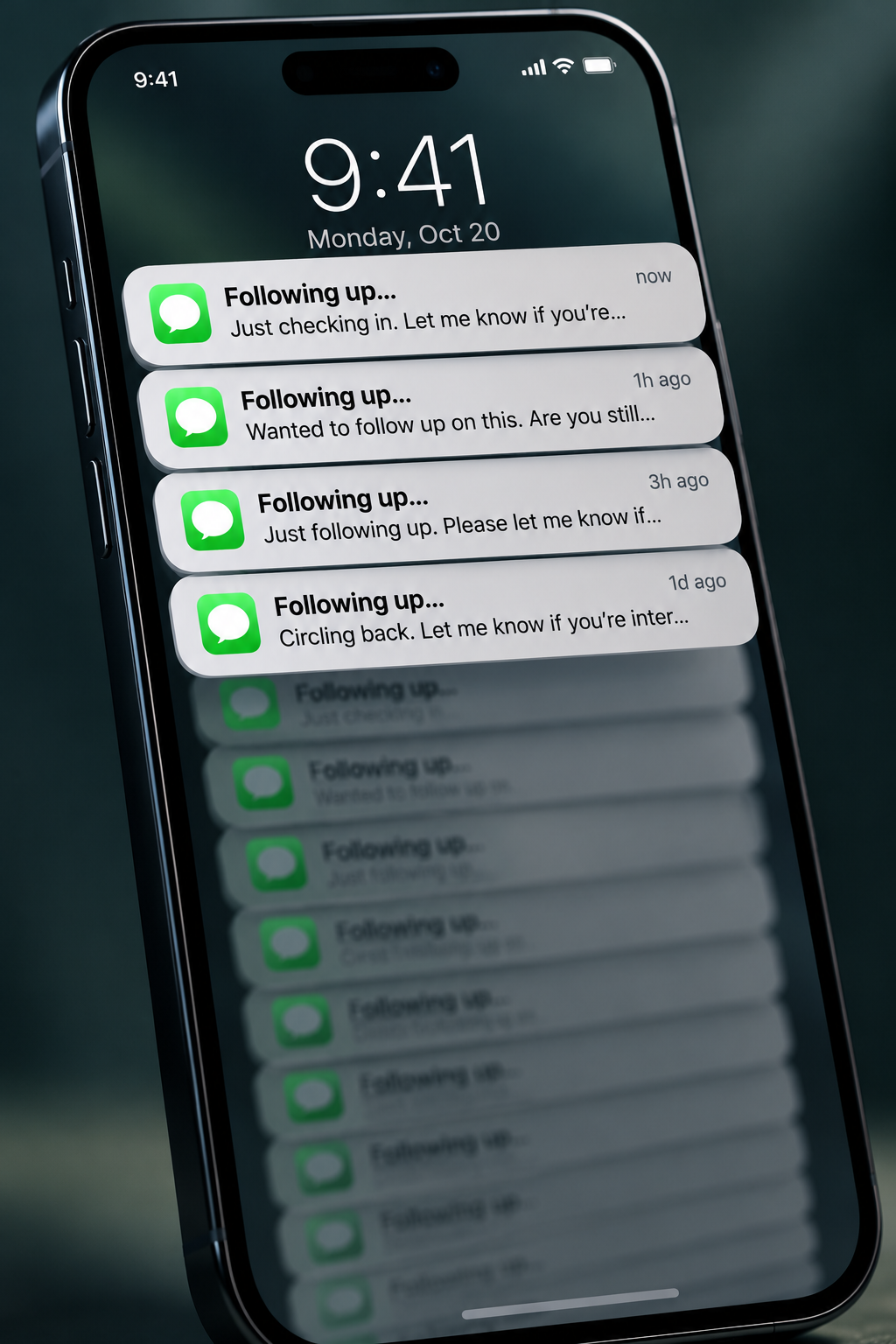
The statute expressly reaches text messages, voicemails, and ringless voicemails. Robocalls to Pennsylvania numbers now require prior express written consent, tracking the familiar federal TCPA PEWC standard. Telemarketing is off-limits outside 9:00 a.m. to 7:00 p.m. and banned on Sundays altogether, and the clock that governs is the consumer's, not the call center's in some other time zone. AI-generated deception is prohibited. Caller-ID spoofing is prohibited, right down to the neighbor-spoofing trick of borrowing a consumer's own area code to look local and trustworthy.
And liability expressely reaches the company that hired the caller, not just the vendor doing the dialing — so the old "that wasn't us, that was our lead-gen partner" shrug gets a lot less persuasive.
Now the provision that actually matters for enforcement, and the reason this statute is more than a press release: the private cause of action.
Plenty of state telemarketing laws read beautifully and then sit inert because only the Attorney General can enforce them, and the AG has bigger fish and finite hours. SB 992 sidesteps that problem with a clever bit of plumbing. A violation of the Act is also a violation of Pennsylvania's Unfair Trade Practices and Consumer Protection Law — and the UTPCPL already carries its own private right of action. So a consumer doesn't have to wait for the state to pick up the phone.
Under the UTPCPL, a consumer can recover actual damages or $100, whichever is greater, and the court has discretion to award up to treble damages plus attorney's fees. Stack that on top of the Act's own penalty structure — up to $1,000 per violation, rising to $3,000 where the consumer is 60 or older — and you have a statute with real teeth for enforcement.
Communications made with valid prior express written consent, or under an established business relationship within the past 12 months, fall outside the definition of telephone solicitation entirely, so no violation. The Act also codifies uniform opt-out keywords, so STOP, CANCEL, UNSUBSCRIBE and the rest mean what a reasonable consumer thinks they mean, and it exempts consent-based texts, transactional notices, and customer-service messages from the registration machinery.
In other words, the businesses you actually asked to hear from are left alone. The safe harbor is only as good as the record behind it — consent has to be reconstructable years later, per number and per campaign — but for a company that keeps clean files, the law is not a trap. It's a bright line.
Federal TCPA compliance, all by itself, no longer covers the field so Pennsylvania has taken action. Pennsylvania drew its line to punish real abuse and spare the invited conversation, which is about the fairest thing you can ask a telemarketing statute to do. October 18 is the day it starts to matter.