
In Bell v. Hawx Servs., LLC, No. 2:24-cv-00825-DC-DMC, 2026 U.S. Dist. LEXIS 183796 (E.D. Cal. Aug. 14, 2026), the court denied the defendant's motion to dismiss and mostly denied its alternative motion to strike the class allegations.
Here's the Background:
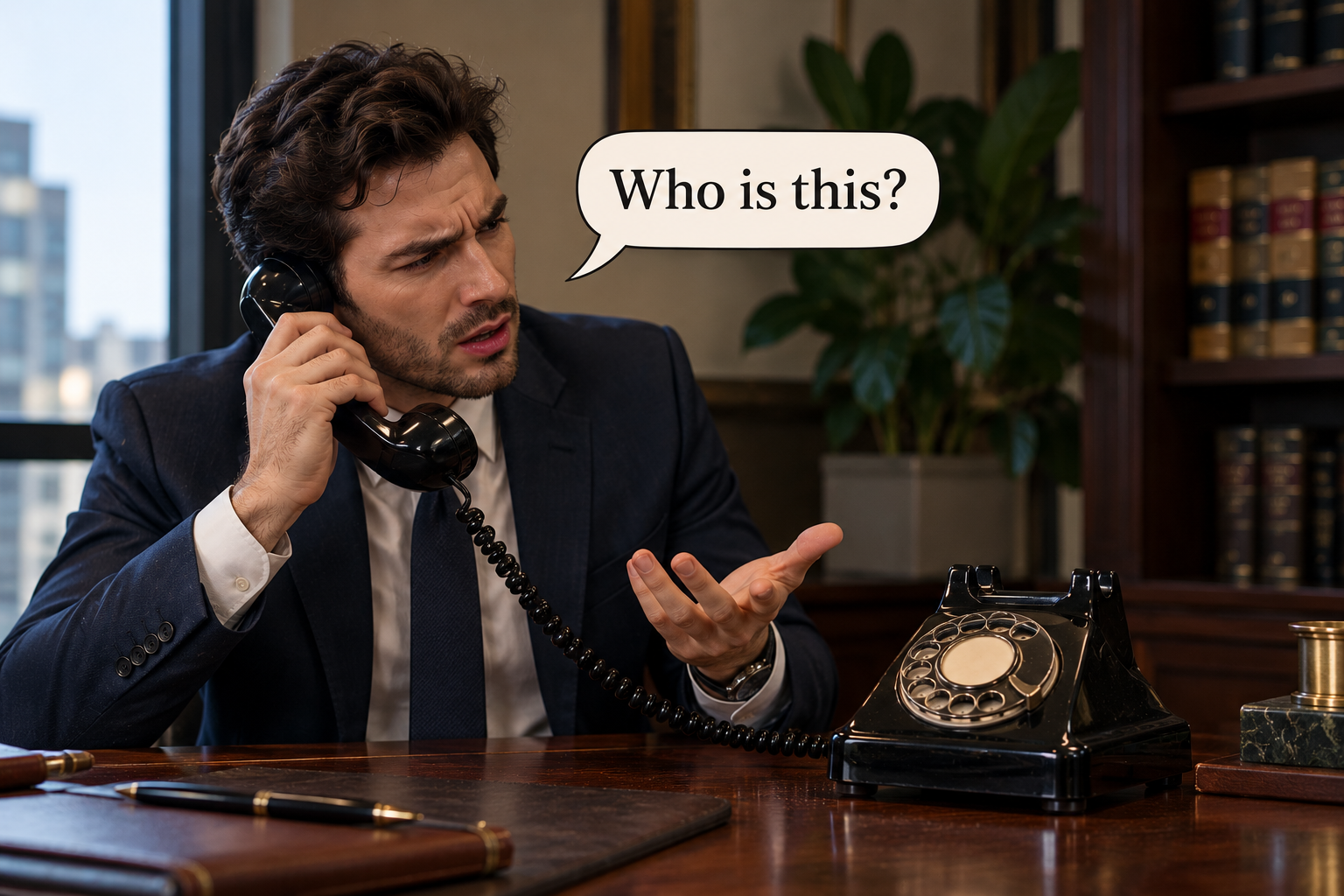
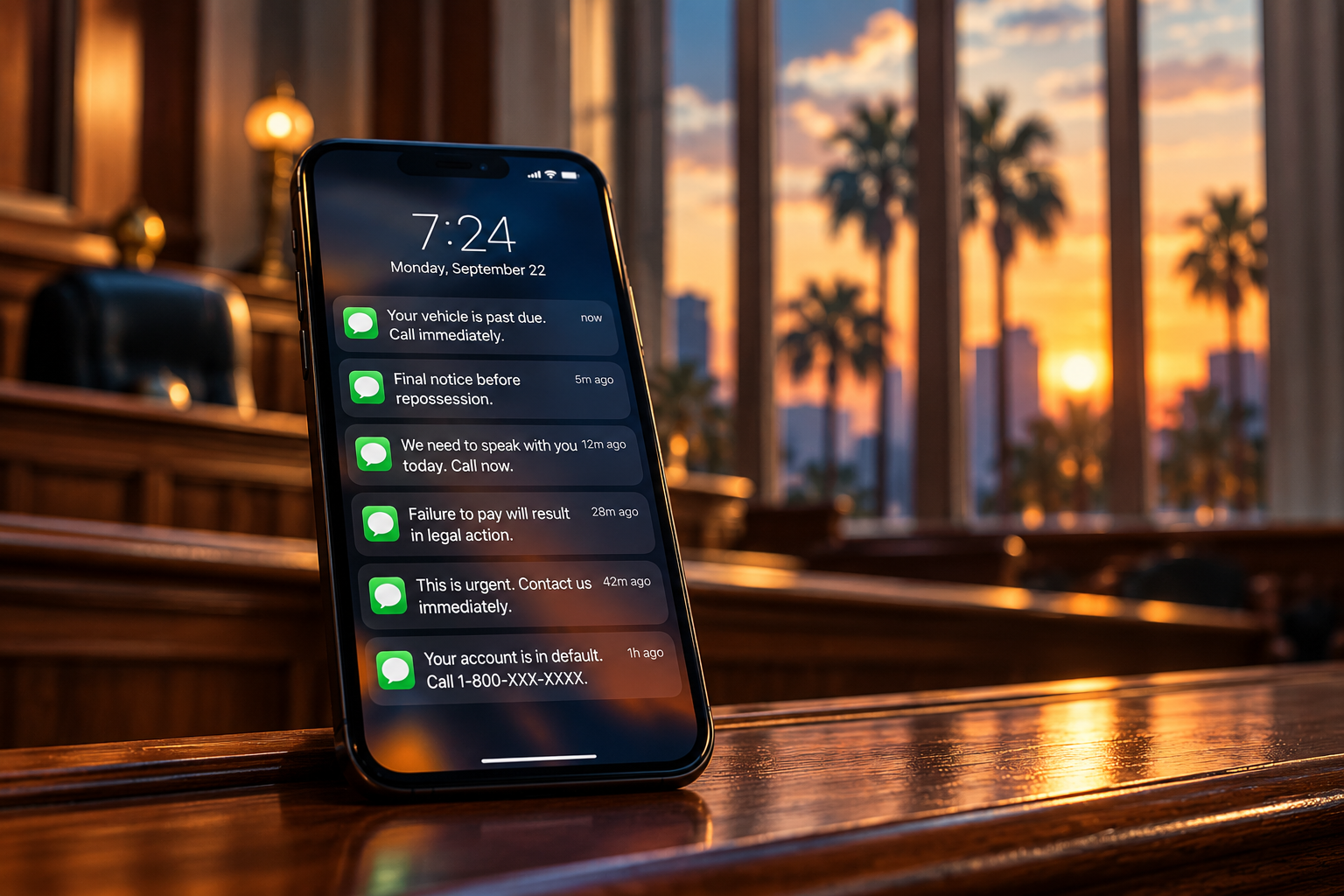
At 8:10 in the morning the plaintiff received a telemarketing call about pest control despite his number being on the national do not call list. The plaintiff explained that the call had woken him up and according to the complaint the caller laughed, the plaintiff said he wasn't interested and told the caller not to call again. An hour later, the same number called back with the same pitch for pest control services. When plaintiff asked why, the caller told him he could not control the calling because he was using an autodialer. According to the complaint, at least.
The (non)dismissal ruling is a study in the value of one paragraph. An earlier version of the complaint had already been dismissed because it never said what the calls were actually about — just that the defendant tried to solicit the plaintiff to buy pest control services. The amended version described the calls: the question, the pitch, the callback, the second pitch. That was enough. Applying the Ninth Circuit's common-sense approach to call purpose from Chesbro v. Best Buy Stores, L.P., the court found it "reasonable to infer that Defendant made these alleged calls for the purpose of encouraging Plaintiff to purchase its pest control services." Which is, on these facts, a fairly modest inference.
The more interesting fight was over the class definition. The defendant argued the definition was an improper fail-safe class and leaned on Nichols v. eHealthInsurance Serv., Inc., where a court struck a DNC class definition at the pleadings stage. The Nichols class covered people on the registry to whom the defendant made "two [or] more telephone solicitations that promoted Defendant's products or services." That definition failed because "telephone solicitation" is a regulatory term of art that excludes calls made with consent or under an established business relationship. To know who was in the class, you had to litigate the claim first.
The definition here covered people to whose number the defendant "placed two or more telemarketing calls in a 12-month period" while the number sat on the registry for more than 30 days. Registry status is objective. Call counts are objective. Both live in the defendant's own records and can be pulled in discovery. Nothing in the definition requires the court to decide whether anyone consented before deciding who belongs.
The court noted that motions to strike class allegations are "particularly disfavored because it is rarely easy to determine before discovery whether the allegations are meritorious," and that the same predominance arguments "ha[ve] been rejected as premature by many of the courts to consider such arguments in the TCPA context."
So the pleading stands, the class allegations stand, the defendant's autodialer, presumably, remains uncontrollable, and the answer is due within 21-days.