Williams v. Atlantic Recovery Solutions, LLC, No. 5:25-cv-505-BO (E.D.N.C. Sep. 1, 2026)
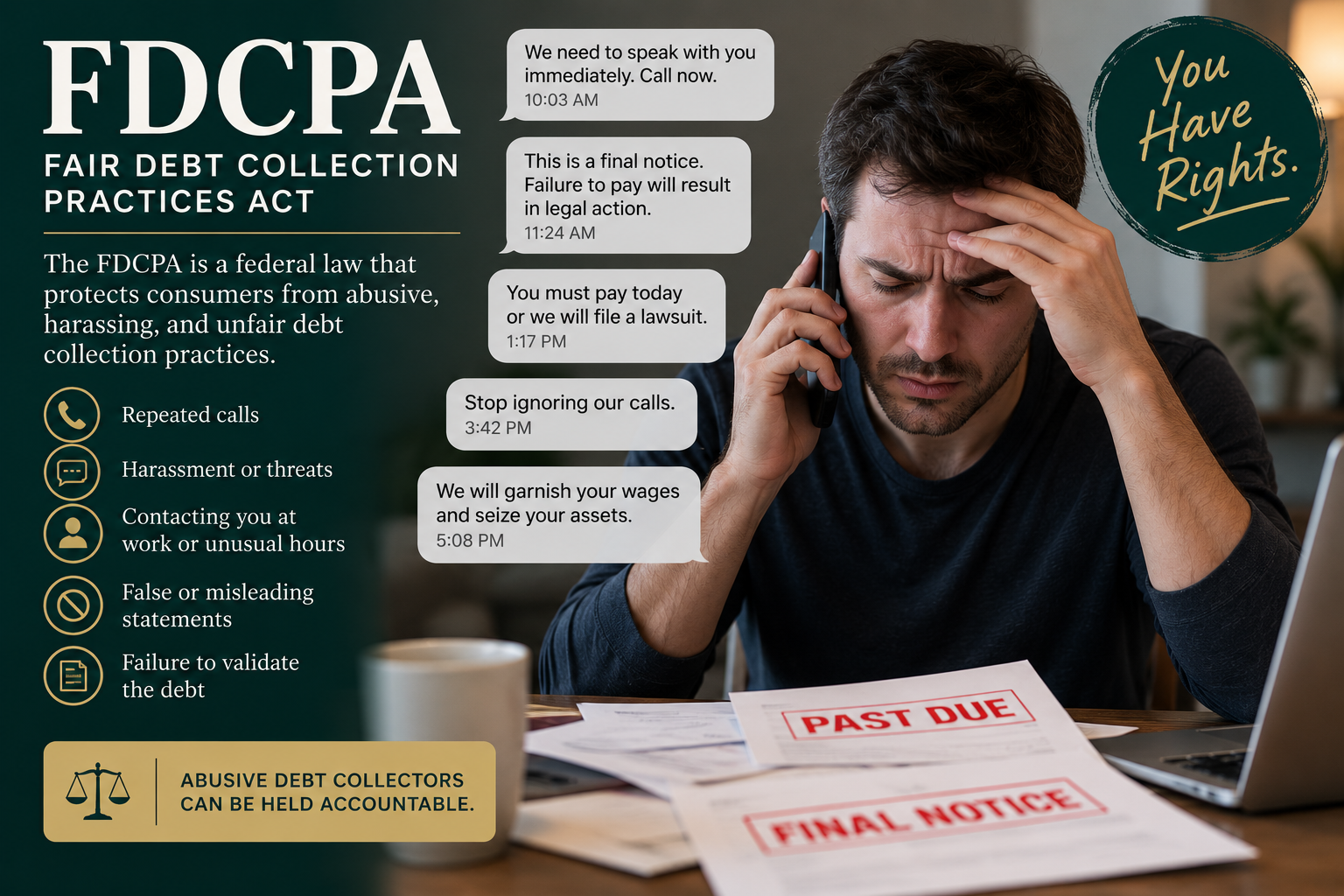
The Fair Debt Collection Practices Act (FDCPA) has a stop button built in. Under 15 U.S.C. § 1692c(c), once a consumer notifies a debt collector in writing that she refuses to pay a debt, or that she wants the contact to stop, the collector must stop communicating about that debt. There is no form to fill out, no certified mail requirement, no magic language. It just has to be in writing.
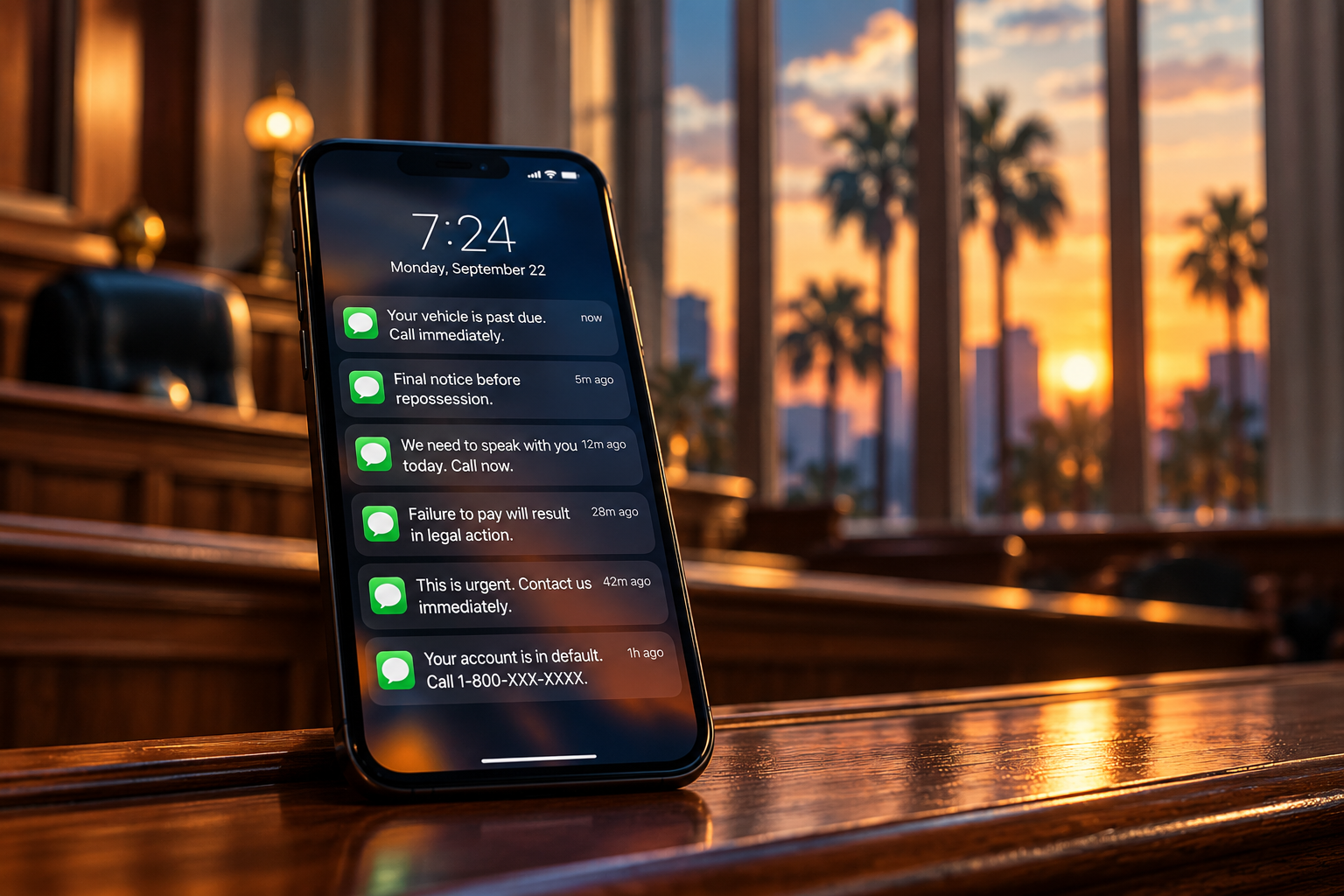
In Williams, the plaintiff received debt collection texts in October 2024, about an alleged financing account. The first text didn't mention that it came from a debt collector at all (which is a separate problem under the FDCPA).
In July 2025, after another collection message landed, the plaintiff texted back: "I refuse to pay any debt associated with any and all accounts in your office!" Eight days later, another text arrived. And then another.
Then the same sequence on a second account. A text in February 2025. A reply that she had no idea who the sender was and refused to pay. Another text in June anyway. Her answer: "I refuse to pay!"
So Williams sued under § 1692c(c) for the post-refusal messages, once under § 1692e(11) for the missing mini-Miranda disclosure. The defendant never appeared. Default judgment followed.
The Court confirmed that Plaintiffs first and third counts plead violations of 15 U.S.C. § 1692c(c). "Under 15 U.S.C.§ 1692c( c) a debt collector is prohibited, subject to several exceptions not relevant here, fromcommunicating with a consumer 'with respect to' a debt if the consumer 'notifies a debt collectorin writing that the consumer refuses to pay a debt or that the consumer wishes the debt collectorto cease further communication with the consumer[.]' "
"Because plaintiff alleges she refused, in writing, to pay the debt sassociated with her Concora and Acima accounts, and because defendant sent subsequent communications with respect to those debts, she has alleged a violation of§ l 692c( c )"
On damages, Section 1692k(b) points to frequency, persistence, and intent, and the record had all three: three violating texts before suit, then two more texts and two voicemails after the complaint was filed. The Court awarded the full $1,000, citing Selig v. Niagara Recovery Sols. Mgmt. Grp., LLC and Valdez v. Arm Wyn, LLC.
Williams is a useful reminder for both consumers and their attorneys that "I refuse to pay" can be more than an expression of frustration-it can invoke a specific federal statutory protection.