Credit Acceptance, one of the country's largest subprime auto lenders, has agreed to a $710 million settlement with 40 states and the District of Columbia, resolving allegations that it steered borrowers with low incomes and low credit scores into car loans it already knew they could not afford.
Look at how the $710 million splits. Debt forgiveness accounts for $634 million, wiping out balances for more than 55,000 borrowers who financed vehicles between November 2015 and November 2025. Another $60 million goes to restitution. The penalty paid to the government is $15.5 million — a little over two percent of the package. The money was aimed at the people who signed the loans, not at the enforcement budget.
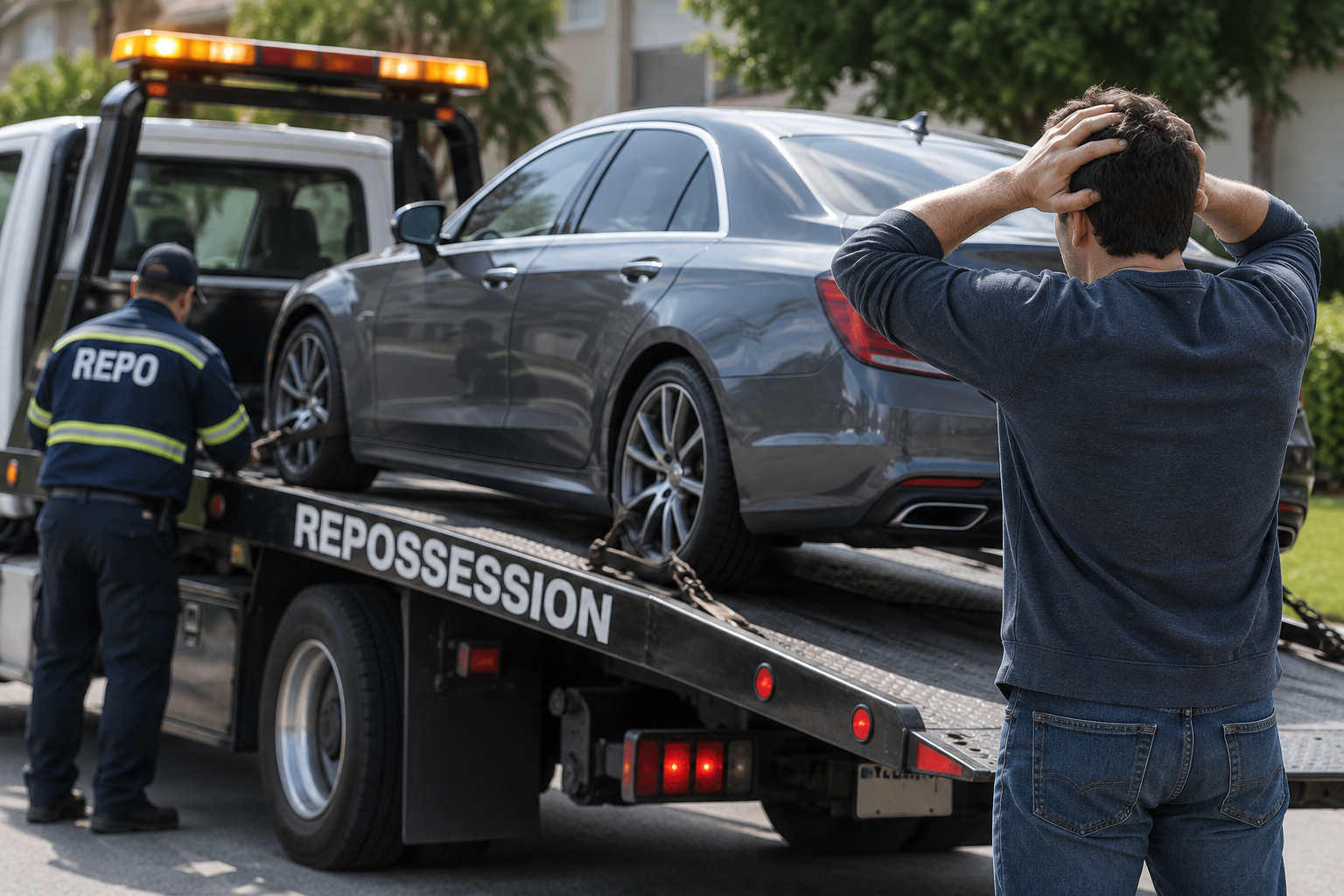
The states claimed the company helped dealers pile on add-on products to their loans— vehicle service contracts, insurance — that buyers either did not need or were never told they were buying. Plenty of those borrowers defaulted, and plenty lost the car.
One example from the court papers gives the arithmetic a face: a loan carrying a $260 monthly payment, written for a borrower earning just $950 a month. The company collected $8,400 from her. The vehicle was repossessed twice.
The forward-looking terms are where the settlement gets interesting. The lender must now tell borrowers in advance when a loan carries a historically high risk of default — meaning the company has to say out loud what its own model already knows. If one of those flagged loans defaults within 12 or 18 months, the lender waives 95% of what remains. And on those loans, it cannot sue to collect, and it cannot sell the debt to anyone else.
That last piece does work. A defaulted auto loan does not simply end when the tow truck arrives; it gets sold, and sold again, and shows up years later as a collection letter, a credit report line, or a default judgment nobody knew was coming. Closing the resale window closes that whole downstream corridor.
The company denied wrongdoing. Its chief executive described the deal as "constructive, customer-focused and consistent with the direction of regulatory expectations" in the industry — a sentence doing an admirable amount of lifting for a package built on $634 million of forgiven debt and a requirement to warn people before writing loans it expects to fail.