
In Coffey v. Fast Easy Offer, LLC, 2026 U.S. App. LEXIS 16209 (9th Cir. June 4, 2026) the Ninth Circuit reversed a district court's dismissal of a TCPA suit, holding that whether a message is a "telephone solicitation" turns on the purpose behind sending it—not necessarily the words inside it. Going forward, courts should look past the literal content and ask whether the call or text was initiated to promote a sale.
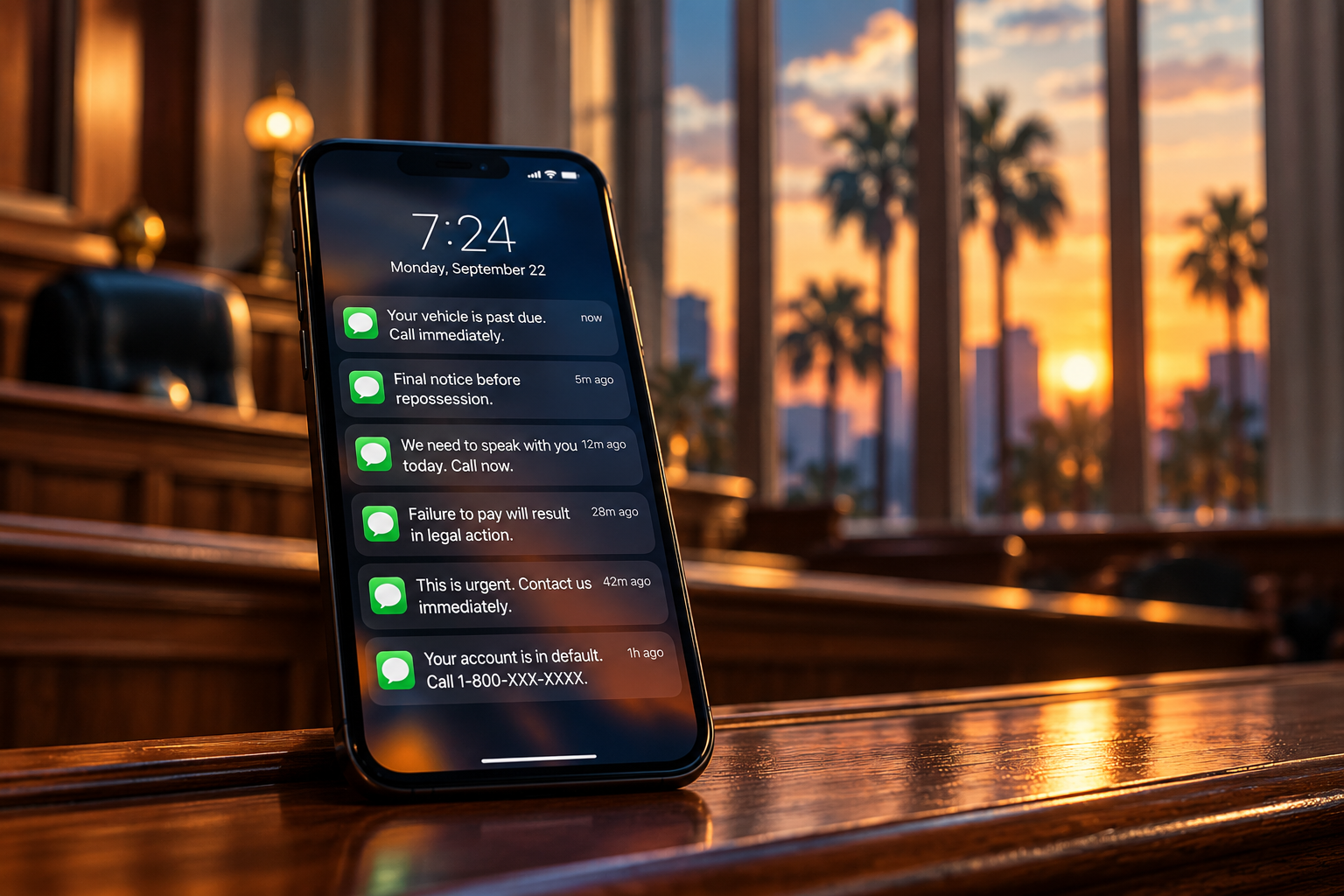
The messages in question in Coffey were pretty low-key. One read, in full "Have you given up on selling your property?" The other added a name, an address, and the self-identification of a "home buyer". No product. No price. No service. Just a question. The messages came from a real estate "solutions" company to a consumer who had registered her number on the Do Not Call registry back in 2004—and the company argued, successfully at first, that because the texts never expressly encouraged her to buy anything, they simply weren't solicitations under the TCPA.
Except they were. The TCPA defines a telephone solicitation as "the initiation of a telephone call or message for the purpose of encouraging the purchase or rental of, or investment in, property, goods, or services." The defense read that to mean the message itself had to contain a sales pitch. The Court disagreed. The statute asks about the purpose of initiating the message, the Court explained—not what the message literally says. The relevant purpose is "not, on a plain read, the purpose of the call or message, but instead of the 'initiation' of that call or message."
For that proposition the Court reached back to Chesbro v. Best Buy Stores, L.P., 705 F.3d 913 (9th Cir. 2012), which held that "[n]either the statute nor the regulations require an explicit mention of a good, product, or service where the implication is clear from the context."
So let's look at the context. According to the complaint, the homes the company doesn't buy outright become leads for traditional brokerage services, with nine out of ten responders allegedly ending up as clients of the company or an affiliated brokerage. In other words, a "have you given up on selling?" text was allegedly the front door to a brokerage sale. The Court found one purpose of the messages was to encourage the purchase of brokerage services, and that was enough to satisfy the TCPA's definition of telephone solicitation.
So what's the takeaway? If the reason for sending a call or text is to move the recipient towards a sale of some sort, the message can and should be considered a telephone solicitation under the TCPA. Context matters. What's the real purpose of the message?